
The Future of Arabic Language Education: Bridging Tradition and Technology
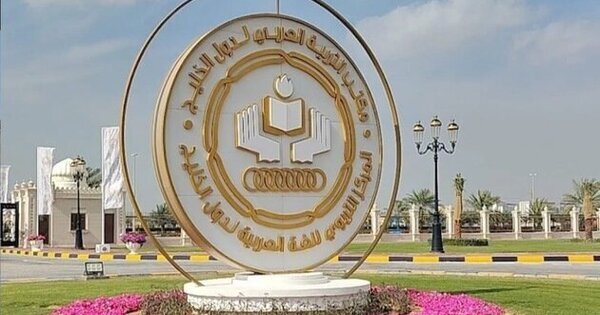
TUNIS, September 12, 2026 (WAM) — In a significant gathering of minds focused on the advancement of language education, the Arabic Language Education Centre for the Gulf States (ALECGS) recently participated in a pivotal international academic forum. This event was organized by the Arab League Educational, Cultural and Scientific Organisation (ALESCO) in collaboration with the Computational Linguistics Laboratory at the Faculty of Manouba in Tunisia.
Titled “The Integrated Approach to Teaching Arabic Language Skills to Non-Native Speakers: Contemporary Challenges and Prospects for Pedagogical and Technological Development,” the forum convened a diverse group of experts and representatives from specialized regional and international institutions. The gathering served as a profound reminder of the ever-evolving landscape of Arabic language education amidst a backdrop characterized by rapid changes and innovations.
The discussions during the forum underscored the necessity of re-evaluating traditional educational paradigms in the face of modern challenges. Emphasis was placed on enhancing the capabilities of learners to engage in authentic communication, especially considering the complex linguistic realities of the Arab world, where Modern Standard Arabic coexists with a myriad of dialects that shape everyday interactions.
The forum was structured around three pivotal academic themes aimed at addressing the unique challenges of teaching Arabic to non-native speakers. The first theme concentrated on integrated curriculum design and the management of linguistic diglossia, a situation where two varieties of the same language coexist. Participants explored how to construct curricula that balance the formal aspects of Arabic with the colloquial nuances that learners encounter in real-world settings.
The second theme delved into the synergy between applied linguistics and technological advancements, particularly the integration of artificial intelligence, natural language processing, and digital learning tools into language education. This aspect is increasingly vital as educators seek innovative ways to engage learners and enhance the pedagogical experience, ensuring that the teaching of Arabic remains relevant in an era dominated by technological advancement.
The third thematic discussion revolved around assessment and evaluation methods. The participants reviewed the Common Arab Framework of Reference (CAFR) — a tool that aims to harmonize international standards for Arabic language examinations and certifications. This framework is instrumental in providing a structured approach to measuring proficiency and ensuring consistency in assessments, which is critical for non-native speakers navigating their language learning journey.
One of the highlights of the forum was the paper presented by Dr. Issa Saleh Al Hammadi, the Director of ALECGS in Sharjah. His contribution, titled “The Centre’s Efforts to Develop Arabic Language Teaching and Learning for Non-Native Speakers,” offered an insightful overview of the center’s initiatives aimed at promoting Arabic language education. Dr. Al Hammadi detailed various studies and research projects, training initiatives, and the organization of the esteemed International Arabic Language Conference in Sharjah, showcasing a comprehensive approach to enhancing the quality of Arabic teaching.
Among the notable accomplishments of the ALECGS highlighted in the presentation was the development of the 2021 Quality Standards for Arabic Educational Institutions aimed at non-native speakers. This effort underscores the center’s commitment to aligning educational practices with contemporary global standards. Furthermore, Dr. Al Hammadi discussed the 2018 Standard Levels Framework for Teaching Arabic to Non-Native Speakers, which serves as a reference point for educators and institutions alike.
In recognizing the need for ongoing professional development, the center has implemented specialized training programs for individuals engaged in Arabic language instruction. These efforts include focused online courses aimed at enhancing the skills of educators in teaching Arabic to speakers of other languages, thereby fostering an environment of continuous improvement and expertise.
The forum concluded with a rich dialogue among experts, researchers, and professionals in the field. Collectively, they identified strategic recommendations to advance Arabic language teaching methodologies for non-native speakers. The discussions emphasized the importance of integrating educational approaches with cutting-edge technology, ultimately supporting the establishment of a comprehensive Arab reference framework for assessment and evaluation.
This proposed framework is envisioned to address the evolving needs of 21st-century learners, facilitating not only the enhancement of teaching practices but also the educational tools utilized in language instruction. The progression of Arabic language education is not just a local concern; it resonates globally as more individuals recognize the significance of learning Arabic in an interconnected world.
The outcomes of this international forum have underscored a collective commitment to reinforcing Arabic language education for non-native speakers, promoting inclusivity, and fostering a richer understanding of the Arabic language and its cultural nuances in an increasingly diverse global landscape.