
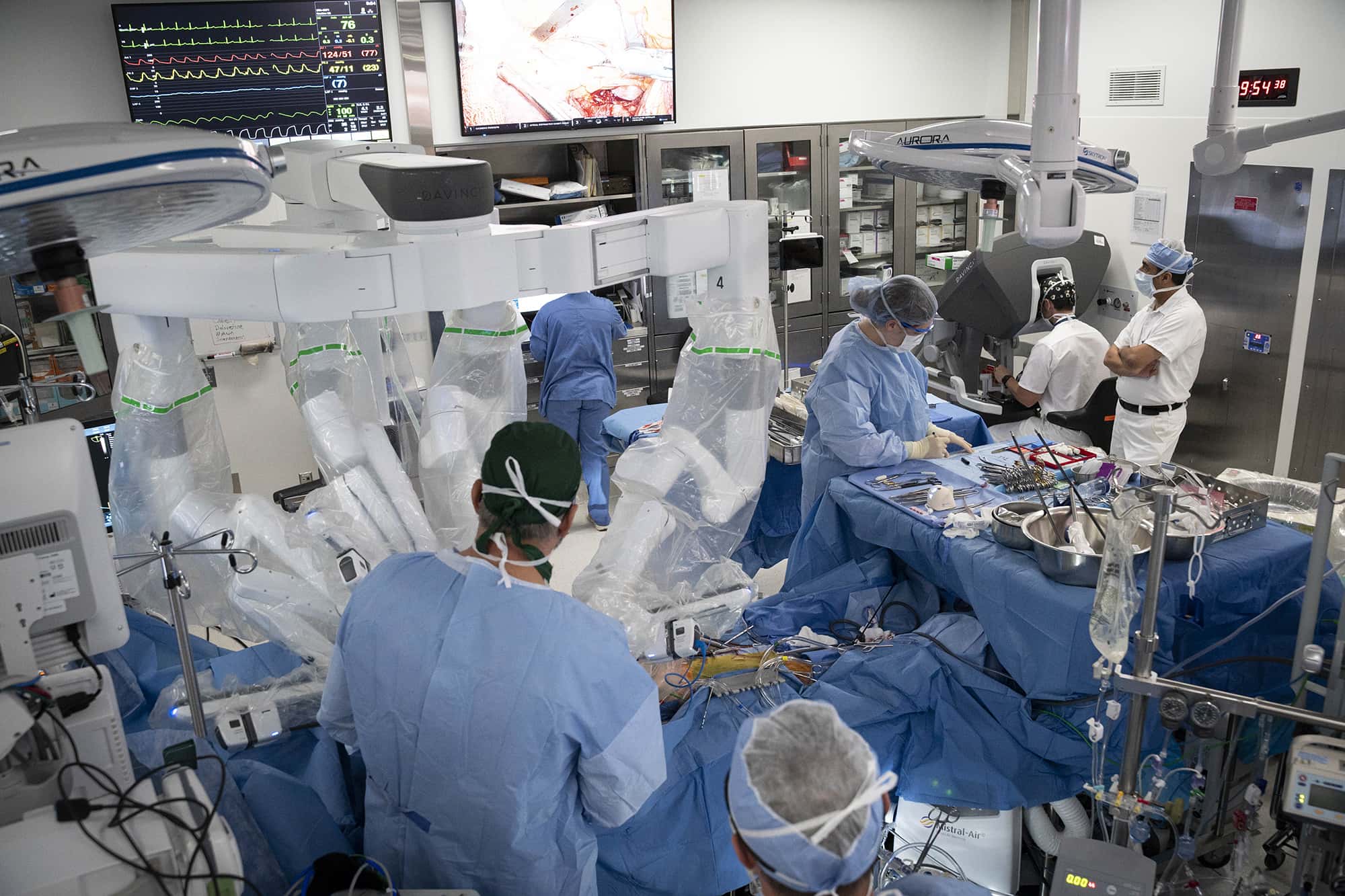
Revolutionary Surgical Technique at Cleveland Clinic: Advances in Robotic Lung Transplantation
In a remarkable breakthrough for the field of organ transplantation, Cleveland Clinic announced in May 2026 the successful completion of the first robotic lung transplant in the United States. This pioneering procedure marks a significant step forward in the realm of minimally invasive surgeries, promising enhanced patient outcomes and streamlined recovery processes. Cleveland Clinic is now among a select group of medical institutions worldwide to offer this innovative surgical approach, having pioneered it as the first facility in Ohio to undertake such a complex operation.
The successful transplant was led by Dr. Gregory Jones, a distinguished thoracic surgeon affiliated with Cleveland Clinic’s Heart, Vascular and Thoracic Institute. Dr. Jones was joined by Dr. Kenneth McCurry, a cardiothoracic surgeon renowned for his contributions to lung transplantation as the surgical director. The surgical team’s collaborative expertise and commitment to innovation were vital in overcoming the technical challenges associated with robotic lung transplantation, a procedure still considered rare due to the requisite advanced robotic capabilities and a team skilled in their operation.
“This achievement reflects the collaboration and innovation across our transplant and surgical teams,” Dr. McCurry noted, emphasizing the synergy between technology and surgical expertise. He further expressed optimism that as these technologies continue to evolve, they will play an increasingly important role in improving patient outcomes and advancing the future of transplantation. The success of Cleveland Clinic’s kidney and liver robotic transplant programs offers a powerful precedent for the innovative potential of robotic-assisted surgeries in organ transplantation.
Traditionally, lung transplants entail significant invasiveness; surgeons typically access the chest cavity by dividing the breastbone or ribs, a method which often results in substantial postoperative pain and prolonged recovery times. In contrast, the robotic lung transplant technique employs small incisions through which highly specialized robotic instruments enabled by 3D visualization are utilized. This minimally invasive approach aims to minimize pain and expedite recovery while ensuring effective surgical results.
“This milestone reflects an important step forward in how we approach lung transplantation,” asserted Dr. Jones, underlining the significance of incorporating robotic techniques into transplant protocols. By leveraging their accumulated experience in robotic surgery as well as transplant care, the Cleveland Clinic’s team has enhanced surgical options, potentially benefitting patients who may require a less invasive solution to their medical challenges.
Robotic surgery has revolutionized numerous cardiothoracic procedures over the past decade, primarily due to the enhanced precision and reduced trauma associated with minimally invasive techniques. By extending this technology to lung transplantation, Cleveland Clinic is poised to broaden access to advanced transplant care, enhancing patient outcomes substantially.
The surgery was performed on a male patient in his 70s suffering from pulmonary fibrosis, a progressive ailment that induces scarring in the lungs, severely obstructing airflow and making respiration increasingly laborious. Following the successful transplantation, the patient experienced a swift recovery and has since been discharged from the hospital, demonstrating the transformative potential of this new approach.
Cleveland Clinic boasts an illustrious reputation in advanced lung transplant care, having performed over 2,500 lung transplants since 1990. The institution performed 146 lung transplants in 2025 alone, showcasing its leadership in caring for complex cases, including individuals who have been turned down for transplant consideration elsewhere. The clinic’s commitment to innovating transplantation methods has earned it national and global recognition.
The groundbreaking robotic lung transplant does not only signify progress within the United States. Last year, Cleveland Clinic Abu Dhabi facilitated the first robotic lung transplant in the Gulf region, marking a historic milestone in surgical medicine for the wider Middle East. This transcontinental collaboration and exchange of medical expertise enhance the prospects for increased surgical ingenuity and patient care worldwide.
As Cleveland Clinic sets the standard for advanced transplant modalities on both national and international stages, the medical community eagerly anticipates the developments that will arise from this transformative technique. The intersection of state-of-the-art technology and surgical expertise continues to pave the way for a future in which patient outcomes are optimized through less invasive, more effective medical interventions.
Tags: #HealthNews #RealEstateNews #UAE