
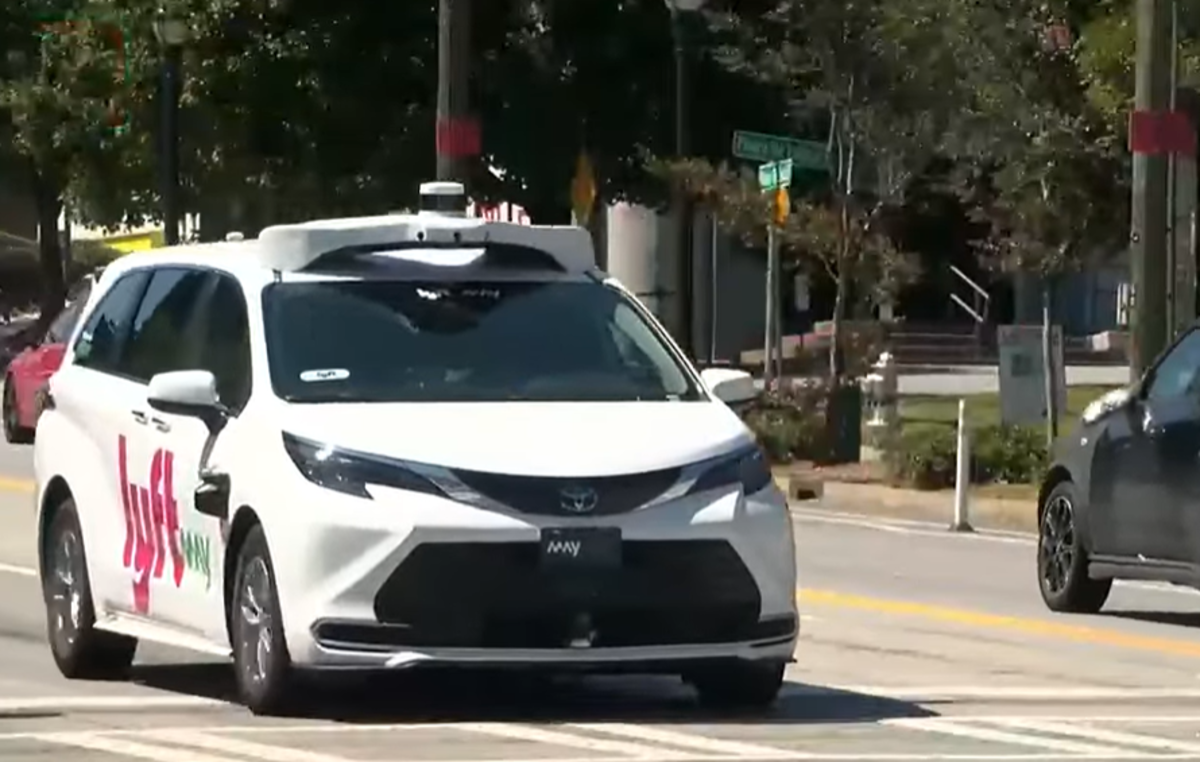
Baidu and Lyft Collaborate to Launch Autonomous Taxi Service in London
In a significant development in the realm of autonomous vehicles, Chinese technology powerhouse Baidu is poised to begin testing its self-driving vehicles in London within the next few weeks. This initiative, announced by Jeremy Bird, a prominent executive at the American ride-hailing giant Lyft, heralds an exciting chapter in urban mobility and aligns with a growing trend of integrating artificial intelligence into transportation systems.
This announcement comes on the heels of another notable development in the autonomous driving landscape in London. Wayve, a British startup specializing in AI-driven self-driving technologies, recently disclosed its readiness to introduce a robotaxi service in collaboration with Uber as early as this summer. Such advancements reflect a burgeoning interest in autonomous transport solutions not only in London but also worldwide.
According to Bird, Lyft has already begun the process of deploying its autonomous vehicle fleet in London. The vehicles must undergo rigorous inspections and pass safety tests before they are permitted to operate on the city’s streets. With hopes to commence commercial operations later this year, Lyft aims to establish a foothold in a market that is gradually shifting towards automated passenger transport.
While autonomous taxis have become commonplace in the United States and China, the deployment of such a service in London marks a pioneering milestone for Europe. However, it is important to note that initial rides will not be entirely driverless, as Wayve plans to have a human operator present to oversee the vehicle’s operation during its inaugural phase.
Moreover, American technology entity Waymo, which operates as a subsidiary of Alphabet Inc., has expressed ambitions to launch its own driverless vehicles in London by the end of 2026. For several months, Waymo has been mapping the intricate streets of the capital, preparing to introduce a new era of mobility that promises to revolutionize how residents navigate their cities.
Baidu’s Apollo Go, an autonomous vehicle subsidiary, currently boasts a substantial operational presence, running in 27 cities across China and recently expanding its services to Dubai. The company has reported an impressive surge in demand, having provided approximately 3.4 million autonomous rides in the last quarter of 2022, which represents a notable increase of 200% compared to the final quarter of 2021. With a fleet surpassing 500 autonomous vehicles stationed in Wuhan, Baidu has demonstrated the capabilities and potential of driverless technology in real-world scenarios.
For Lyft’s implementation in London, the operational logistics will be a collaborative effort. While Lyft will manage the fleet and integrate the service into its existing app, Baidu is responsible for the manufacturing and technological development of the autonomous vehicles. Bird noted that the pricing structure for rides shared through the autonomous fleet is expected to be comparable to that of traditional taxi services.
Nonetheless, the successful rollout of this innovative transportation offering hinges on critical factors such as the establishment of comprehensive regulations governing automated vehicles in the UK, as well as receiving the necessary approvals from relevant authorities. The United Kingdom has been progressively advancing toward this goal, recognizing the potential benefits of embracing autonomous technology in enhancing transportation safety and efficiency.
The emergence of various players in the autonomous vehicle sector in London underscores a competitive landscape aiming to redefine urban mobility. As the city grapples with increasing congestion and pollution concerns, the introduction of smart, sustainable transport solutions is more pertinent than ever.
The anticipated launch of autonomous rides in London not only marks a pivotal step for the city but could also signal a broader transition toward embracing automation in transportation across Europe. As technology and regulatory frameworks evolve, the implications of these developments will be significant—not only for local commuters but also for the future of urban transport policies at large.
As the global landscape continues to evolve, the interplay between technology, regulation, and consumer acceptance will undoubtedly shape the trajectory of autonomous vehicles in urban settings, making it an exciting period for advocates and technology enthusiasts alike.
Tags: #BusinessNews, #EconomyNews, #RealEstateNews, #UAE, #StartupsEntrepreneurship