
On the first day of Ramadan, many people down a litre of water at iftar and are still thirsty at noon the next day. Drinking a lot in one go does not achieve much: the body gets rid of the excess.
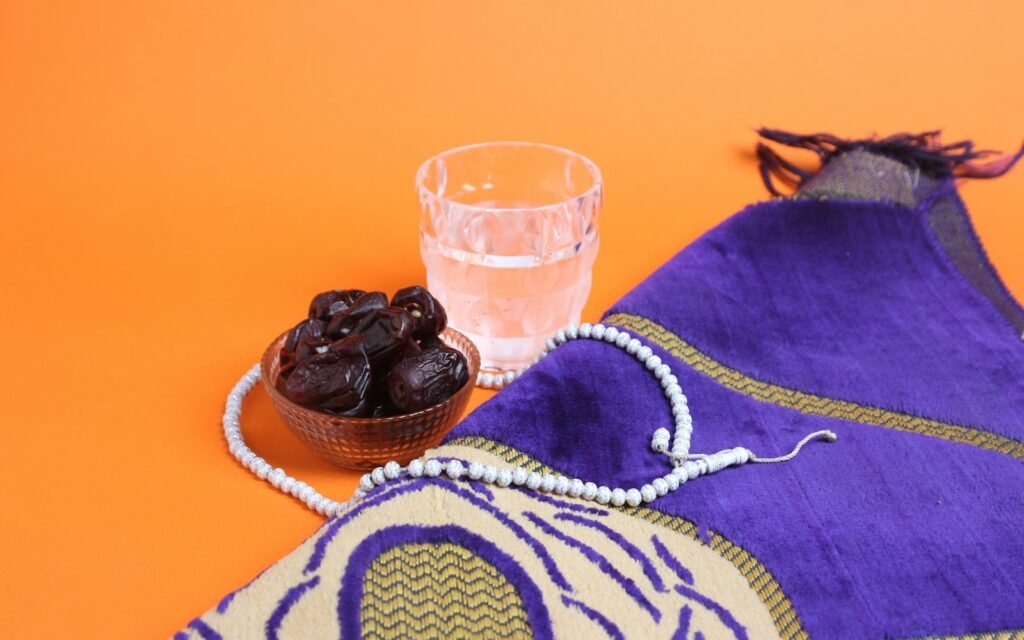
Spread it out instead. Aim for about two litres between sunset and suhoor, a glass an hour rather than a bottle in one go. Break the fast with water and a few dates, as tradition has it: they bring sugar and minerals.
Tea and coffee feel hydrating, but they make you lose water. Keep it to one, not three.
At suhoor
This is the meal that gets you through the day. Oats, eggs, yoghurt and wholemeal bread keep you going for a long time. Cucumber, watermelon and tomatoes bring water. Avoid salty dishes, which make you thirsty by 10am.
At iftar
Start light, with soup, then the main course. Ramadan tables overflow with fried food and syrupy desserts: a little is part of the pleasure of the month, a lot means drowsiness and thirst.
Exercise and heat
Exercise just before or after iftar, at moderate intensity. During the day, stay in the shade.
Dizziness, a headache that won’t go, very dark urine: these are signs of dehydration. Drink, and see a doctor if it doesn’t pass. People who are ill, pregnant or on medication should talk to their doctor before the month of fasting.
Filed under