
Navigating the Skies: A Glimpse into the Operation of the Airbus A380
The Airbus A380, known as the world’s largest passenger jet, has become a symbol of modern aviation engineering. Recently, an esteemed captain provided an insightful behind-the-scenes overview of the A380’s flight operations, simplifying the extensive processes typically reserved for trained pilots. His genuine enthusiasm for aviation was palpable throughout the demonstration, as he articulated his proficiency for what he described as his “favorite” aircraft.
The allure of flying has captivated the imagination of many, even inspiring a wave of confidence among viewers who believe they can assume control after a mere glimpse into the operating procedures of the A380. This phenomenon raises an essential question: Are laypersons truly equipped to fly an aircraft of this magnitude simply by observing a video?
The Mechanics of Flight: A Step-by-Step Analysis
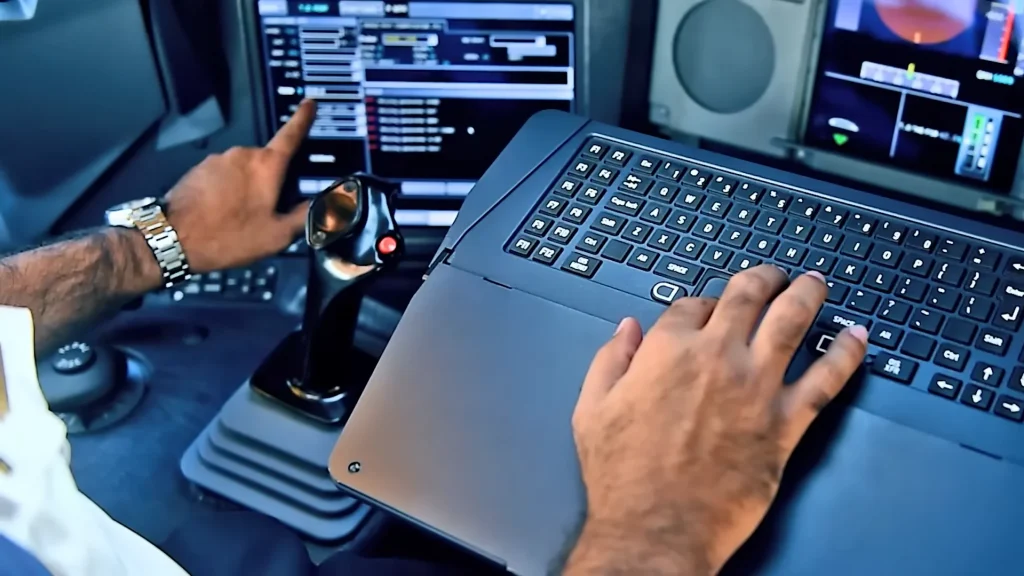
The video commenced with the captain outlining the preliminary phase of a flight—inputting the designated route and cruise altitude into the sophisticated Flight Management Computer (FMC). This system functions similarly to a highly advanced GPS, meticulously programming the aircraft’s journey while considering various factors like fuel consumption and air traffic.
Following this initialization, the engine starting sequence demonstrated the surprisingly straightforward nature of activating an A380. The captain toggled the fuel pumps and igniters before engaging the four engine master controls. Once activated, the aircraft’s onboard computers took over, seamlessly managing the necessary fuel and air mixtures for a smooth engine start.
The subsequent phase of taxiing the aircraft highlighted the impressive blend of technology and pilot acumen. The captain relied on outside visual cues, complemented by advanced onboard maps and dual-camera systems, one of which was directed at the taxiway ahead, while the other assisted in executing tight turns by providing a view of the aircraft’s nose gear.
Before takeoff, the pilot utilized a specialized application designed to analyze critical parameters such as aircraft weight, runway conditions, and prevailing weather. This digital tool provided essential data including thrust levels and takeoff speeds, allowing for a well-calculated ascent into the skies.
The Flight Journey: A Testament to Technology
Once airborne, the Airbus A380’s sophisticated fly-by-wire system took command of the aircraft’s stability, employing a side stick control mechanism that surpasses traditional Boeing systems in terms of technological advancements. With the autopilot function engaged, the aircraft autonomously adhered to the pre-programmed flight path, with pilots able to make minor adjustments to altitude and speed through simplistic input commands.
As the flight neared its destination, the captain meticulously prepared for landing by adjusting the aircraft’s speed and altitude appropriately. This critical phase involved disengaging the autopilot to handle the landing manually, thereby showcasing the pilot’s skill and expertise. Upon touchdown, the thrust reversers and auto braking systems expertly managed the plane’s deceleration and exit from the runway.
What emerged from this presentation was not merely a technical demonstration, but rather an exploration of how accessible aviation could appear when expertly conveyed. For the layperson, the precise sequence of operations conducted with apparent ease made the A380 seem almost approachable—a misconception that could lead to an overconfidence among viewers.
The Reality of Aviation Training
While the video may whet the appetite for aspiration among aviation enthusiasts, it is critical to acknowledge that flying an aircraft of this scale demands rigorous training and expertise. Prospective pilots undergo extensive education, including simulations and practical training under the supervision of seasoned instructors, often amounting to thousands of hours before they are deemed competent to command a commercial flight.
In conclusion, while the video of the A380’s operation provides valuable insights into the flight process, it also serves as a reminder of the complexities inherent in aviation. The combination of advanced technology and the skill of trained pilots remains central to safe and successful air travel. Moreover, as the fascination with drones and virtual flight experiences continues to burgeon in popular culture, it becomes ever more important to foster an understanding of the discipline and training required to operate real aircraft.
As we stand at the intersection of human ambition and technological innovation, the boundless possibilities of aviation continue to inspire dreamers and doers alike—reminding us that while the sky is indeed the limit, the journey to becoming a pilot is marked by dedication, training, and expertise.
Tags
#ManagementNews #EconomyNews #Aviation #UAE