
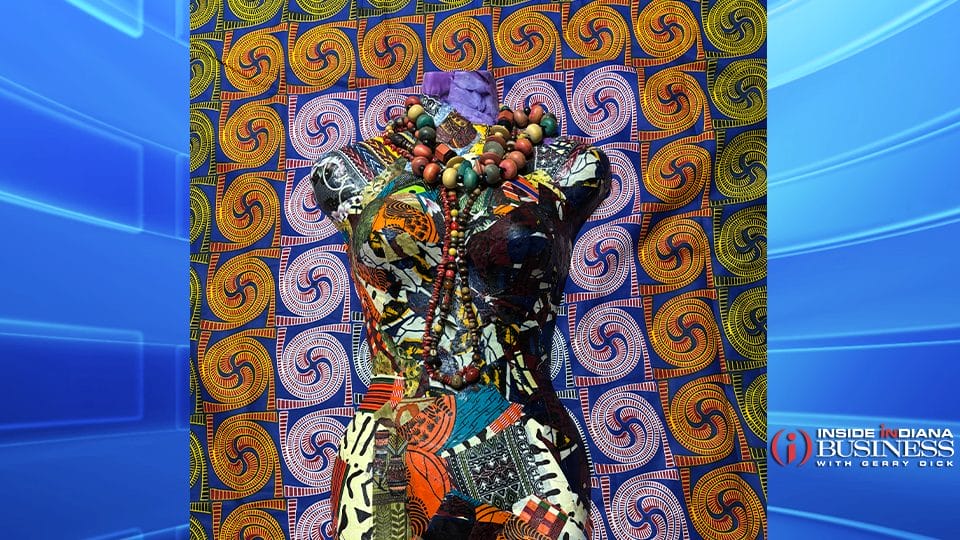
The Changing Landscape of Community Representation in the Arts
The cultural fabric of any society is intricately woven with threads of representation, creativity, and expression. The arts serve as a vital medium for communities to articulate their stories and perspectives, reflecting both shared histories and individual experiences. In recent years, there has been an increasing emphasis on ensuring that marginalized voices are amplified, particularly within the visual and performing arts. By addressing this, communities can foster deeper understanding and cohesion in an increasingly diverse society.
The Importance of Diverse Representation
Historically, the arts have often reflected the dominant culture, sidelining the narratives and contributions of minority groups. However, as societal awareness grows, the call for equity in artistic representation has become louder. For example, initiatives aimed at increasing the visibility of Black artists, women, and other underrepresented groups have gained momentum, pushing for inclusion at all levels—from funding to programming.
The work of organizations that focus on providing platforms for these communities is vital. They curate exhibitions, performances, and educational programs that are not merely tokenistic but reflect genuine voices and experiences. Such efforts challenge the norms of artistic production and consumption, inviting audiences to engage with a broader range of narratives and aesthetics.
Case Study: The Goshen Theater's Black Voices Exhibit
A recent initiative exemplifying the importance of representation in the arts is the Black Voices Exhibit at Goshen Theater. This space not only showcases the works of Black artists but also serves as a communal gathering point that fosters dialogue around issues of race, identity, and culture. The exhibit aims to highlight the artistry and stories that have often been overlooked in mainstream art scenes.
An exhibition like this does not exist in isolation; it is part of a larger movement within the arts that seeks to rectify historical oversights and amplify voices that have been marginalized. Such spaces can transform how communities engage with art, making it a more inclusive and participatory field.
Broader Implications of Art in Community Building
Furthermore, art in all its forms significantly contributes to community-building. By creating opportunities for collaboration and dialogue, art acts as a catalyst for social change. It encourages participation from individuals who may feel disconnected from traditional artistic narratives, thus forging new connections within a community.
In urban settings, where diversity is particularly pronounced, artistic initiatives can serve as bridges between different cultures. They promote intercultural dialogue and foster a sense of belonging and identity. The inclusion of various perspectives not only enriches the artistic landscape but also cultivates empathy and understanding among inhabitants of a city.
Challenges in Achieving Equity in the Arts
Despite progress, challenges remain. Many artists from underrepresented communities continue to face funding disparities, limited access to resources, and institutional biases that can stifle their opportunities. It is essential for funding bodies, galleries, and cultural institutions to critically assess their practices to foster genuine inclusivity.
Efforts must also be made to educate audiences about the importance of diverse voices in the arts. Audience members have a crucial role to play; their support for exhibits and performances featuring marginalized artists can help to shape a more equitable arts landscape. By attending these events, audiences are not just passive consumers but active participants in a movement toward broader cultural recognition and appreciation.
Looking Forward
As we look to the future, it is of utmost importance that the arts continue to evolve to reflect our diverse society. Initiatives like the Black Voices Exhibit are just one example of the impactful work being done to promote inclusivity and representation. Stakeholders across the arts sector must commit to ongoing dialogue and collaboration that prioritizes equity.
In this context, the arts can play an instrumental role in cultivating understanding, acceptance, and ultimately, unity. By embracing a multiplicity of voices, we ultimately enrich our collective narrative, paving the way for a vibrant and cohesive community.
In conclusion, the responsibility lies not only with artists and cultural institutions but also with audiences to ensure that the arts remain a reflective mirror of our society. Every exhibit viewed and performance attended contributes to a larger discourse on representation and inclusion, reinforcing the necessity of diverse voices in the ongoing evolution of the arts.
Tags
#PeopleCultureNews #CommunitiesNews #Arts #CommunityEngagement #UAE