
The Interplay of Nuclear Energy and Artificial Intelligence: A New Era of Sustainable Power
In a world increasingly dominated by technological advancement, the burgeoning demand for energy, particularly from Artificial Intelligence (AI) applications, is prompting a remarkable renaissance in nuclear energy. As data centers proliferate to support the insatiable appetite for data processing, countries across the globe are increasingly turning their gaze towards nuclear power as a viable solution to meet this escalating energy requirement. This burgeoning relationship reflects a pivotal moment in energy policy, technological progress, and environmental considerations, much needed to address climate change and ensure sustainable growth.
AI's Energy Appetite and the Nuclear Response
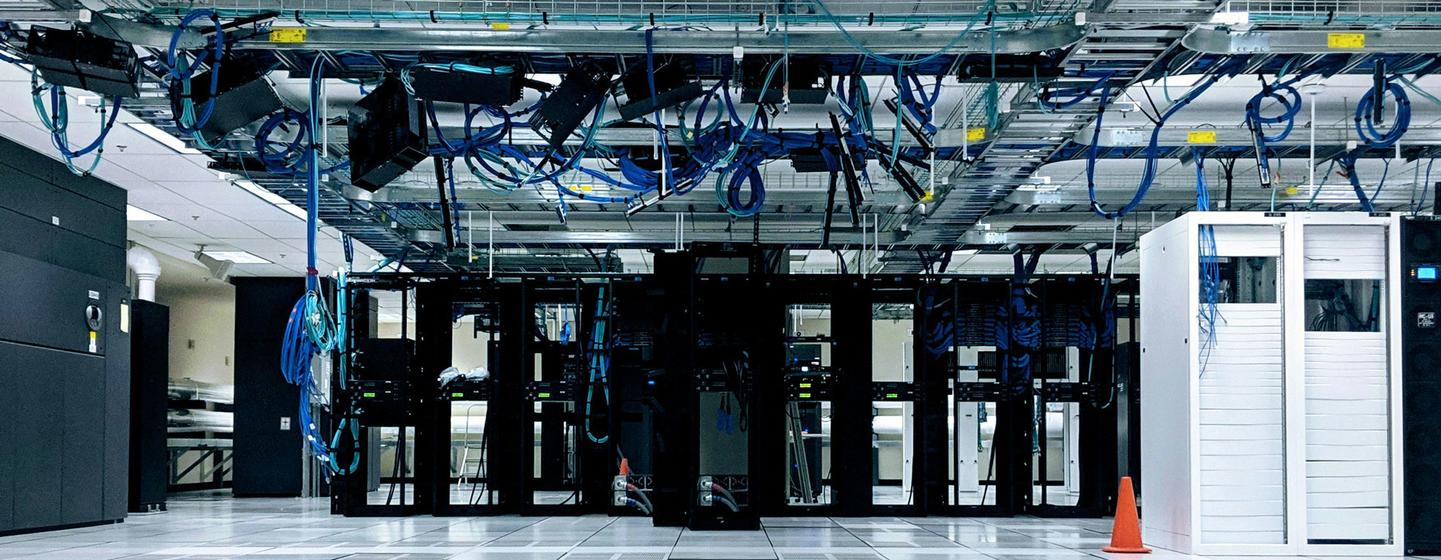
The rapid advancements in AI technology have led to unprecedented demand for computational power, resulting in a significant increase in energy consumption. Data centers, which are the backbone of AI infrastructure, require enormous resources to both operate and cool their servers. Recognizing this, governments and private enterprises alike have started to realize that traditional sources of energy may not suffice to support this new era of technology. As a result, nuclear energy, with its capacity for stable and large-scale output, is being reconsidered as a primary source of power.
Countries around the world are embarking on extensive nuclear programs to expand their energy portfolios. Notably, France and the United Kingdom are scaling up their existing nuclear facilities, while nations like Poland are accelerating their entrance into the nuclear sector. Russia remains a critical player as both an exporter and developer of nuclear technology. Meanwhile, China is making significant strides, actively advancing its nuclear capabilities in conjunction with AI development. The United Arab Emirates is also heavily investing in nuclear energy, reflecting a regional commitment to diversifying energy sources amid growing economic demands.
Corporate Engagement in Nuclear Energy
Further illustrating this shift, major corporations in the tech industry are taking proactive steps to support nuclear energy production. Companies like Microsoft have entered into long-term power purchase agreements that aim to rejuvenate dormant nuclear plants, such as the well-known Three Mile Island facility. By ensuring a reliable energy source, these companies not only address their vast energy needs but also contribute to the revitalization of an often-controversial energy sector.
The deployment of Small Modular Reactors (SMRs) stands out as a promising approach in this context. Unlike traditional nuclear reactors, SMRs are smaller, inherently safer, and quicker to construct, making them an attractive solution for areas with inherent grid limitations. These reactors can be situated closer to end-users, such as data centers, thereby reducing transmission losses and enhancing efficiency. Google has already taken steps forward by signing agreements to acquire energy generated from SMRs, which could represent an important future trend in corporate energy fulfillment.
Ensuring Safety and Sustainability
The relevance of the International Atomic Energy Agency (IAEA) cannot be overstated in this ongoing transition. The IAEA is tasked with ensuring the safety, security, and proliferation of civil nuclear technology. Their efforts work to build public trust and foster international cooperation, particularly in the context of SMRs and advanced nuclear technologies. Such assurances are vital, especially in light of historical concerns that have surrounded nuclear power.
Moreover, as discussions about sustainability continue to evolve, innovative concepts like space-based solar power are being explored, particularly by tech giants like Google. The idea of harnessing solar energy in outer space to power extensive AI operations presents a daring vision of future energy landscapes, where options extend beyond traditional terrestrial limits.
A Future Driven by Collaboration
The convergence of AI and nuclear energy reflects a broader trend in which the future of energy production will likely rely on collaboration among governments, private sectors, and international organizations. While the challenges ahead are formidable—ranging from regulatory hurdles to public perception—the alignment between AI’s energy requirements and nuclear power’s potential could lead to revolutionary changes in how we produce and consume energy.
In conclusion, the intersection of nuclear energy and the digital revolution underscores the need for innovative thinking and cooperative action in the face of an energy crisis amplified by technological growth. As nations and corporations invest in nuclear capabilities, they are not solely addressing immediate energy challenges but are also paving the way for a sustainable and secure energy future that meets the demands of an increasingly digitized world.
Tags:
#EconomyNews #RealEstateNews #UAE #AI #NuclearEnergy