
A Hall of Famer’s Unconventional Journey: Barry Larkin’s Baseball Initiative in the Middle East
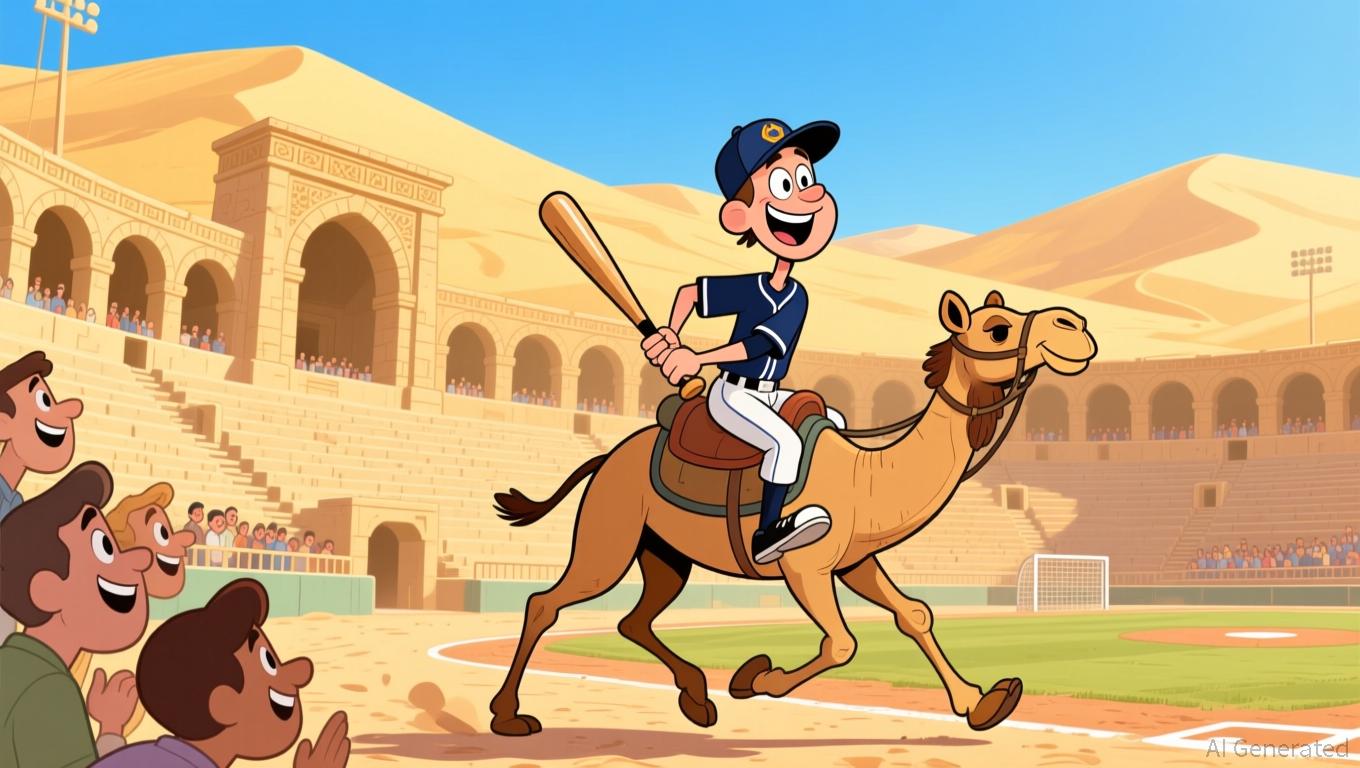
In a remarkable and unprecedented bid to foster cultural exchange and promote baseball in the Middle East, Barry Larkin, a revered Hall of Famer from the Cincinnati Reds, has emerged as an unlikely ambassador for the sport. In an initiative that captures both the spirit of sportsmanship and the vibrant cultural heritage of the region, Larkin’s program intertwines humor and tradition by introducing camels to facilitate the transportation of relief pitchers from the bullpen to the mound during exhibition games. This unique approach not only draws attention to the beloved sport of baseball but also endeavors to engage with the local culture in an unexpected yet celebratory manner.
Larkin’s venture arrives at a pivotal moment when discussions surrounding peace and stability in the Middle East are gaining traction, particularly within frameworks endorsed by the recent G7 meetings held in Canada. As the G7 addresses regional collaborations and international support mechanisms, Larkin’s initiative exemplifies a form of soft diplomacy— one that articulates that cultural and sporting endeavors can serve as platforms for understanding and cooperation among differing nations. “This isn’t just about baseball,” Larkin articulated in a recent interview. “It’s about creating shared experiences that transcend borders and connect people on a human level.”
The push to introduce baseball to the Middle East is not merely an act of leisure; it is emblematic of the region’s ongoing transformation. Economic diversification efforts, characterized by substantial investments in technology and infrastructure, signal a progressive shift towards modernization. With projections indicating that the sports market in this area will reach approximately 2.89 million by 2034, the timing of Larkin’s initiative seems astutely synchronized with this evolving landscape. Larkin underscores this synergy, expressing optimism that baseball can play an integral role in contributing to the region’s narrative of growth and innovation. “The Middle East is rapidly evolving,” he noted, adding, “Baseball has the potential to be part of that story.”
The novelty of using camels in a baseball setting has elicited a variety of responses from local citizens. Some laud the idea as an entertaining engagement with global culture, while others express skepticism regarding its practicality. “Baseball is a complex game,” remarked Fatima Al-Maskati, a Dubai resident, “but I must admit, the camels do add a delightful twist.” Ahmed Al-Farsi, a local event coordinator tasked with managing the logistics of this ambitious endeavor, acknowledged the challenges inherent in merging traditional baseball with desert conditions, stating, “The camels are trained to stop precisely at the dugout. It’s a bit of a spectacle, but that’s the essence of this initiative.”
Importantly, while Larkin’s project may appear whimsical on the surface, it encapsulates a broader dialogue regarding the potential of sports as a tool for international understanding. John Kirton, a prominent academic and founder of the G7 Research Group based at the University of Toronto, asserts that initiatives like Larkin’s stand to complement intricate diplomatic goals. “Cultural exchanges, so often elevated through sporting events, can alleviate tensions believably and effectively,” he stated, drawing a parallel between informal interactions and formal political resolutions.
Unlike conventional expansion strategies, Larkin’s approach adds a refreshing layer to the global footprint of baseball, engaging local communities through playful yet meaningful interactions. The sport has seen gradual growth in the Middle East, driven by investments from countries such as Saudi Arabia and the United Arab Emirates directed at enhancing sports infrastructure as part of their broader economic diversification plans.
As Larkin continues to frame camels as not merely transport animals but as ambassadors of spirit and cooperation, his endeavor encapsulates a vision that transcends the boundaries of the baseball diamond. “If this initiative connects even one person to another, it has achieved its purpose,” he remarked earnestly.
In conclusion, Barry Larkin’s endeavor to introduce baseball to the Middle East offers a fascinating glimpse into the possibilities that sports can engender in fostering deeper cultural insight and international collaboration. As the region undergoes expansive changes, the intersection of tradition with modern sports initiatives may prove to be a catalyst for unity and understanding across borders.
Tags: #SportsCultureNews #StartupsEntrepreneurship #UAE