
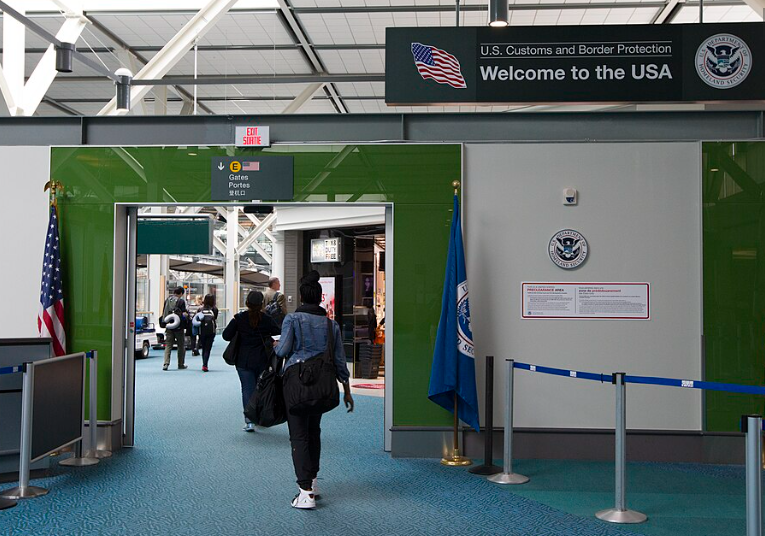
The Convenience of U.S. Pre-Clearance: A Gateway to Seamless Travel
In an era where efficiency and convenience are paramount to the travel experience, the U.S. pre-clearance program stands out as a remarkable initiative designed to streamline the process for American travelers returning from international destinations. Launched in 1952, this program has often gone unnoticed by the general public yet has significantly enhanced the ease with which individuals navigate immigration and customs upon their return to the United States.
The essence of the pre-clearance program lies in its fundamental offering: travelers undergo U.S. customs and immigration checks before they board their flights back home. This pre-boarding process eliminates the traditionally cumbersome and time-consuming experience of clearing customs upon arrival in the United States. Instead of confronting long lines and potential delays at airports, travelers benefit from an expedited experience that allows them to either connect to their subsequent flights or collect their luggage and leave the airport with minimal hassle.
Presently, the pre-clearance facility is operational at several strategic international airports, particularly in locations that handle a significant volume of travelers to the United States. These include every Canadian airport offering non-stop flights to the U.S., as well as major hubs such as those in Dublin and Shannon, Ireland. The program also has a presence in the vibrant landscapes of the United Arab Emirates, notably in Abu Dhabi, as well as in popular tourist destinations like Bermuda, Aruba, and Nassau in the Bahamas.
The advantages of pre-clearance extend beyond mere convenience; it represents a significant shift in how countries collaborate on border security and customs processes. By pre-programming customs checks outside U.S. territory, the pre-clearance initiative enables foreign airports to act as extensions of U.S. border controls. This collaboration not only enhances security protocols but also fosters stronger international relationships by allowing countries to share resources and best practices in managing traveler movements.
For frequent travelers, particularly those commuting for business or leisure across borders, the value of pre-clearance cannot be overstated. Passengers can bypass cumbersome lines and often save several hours of waiting time—an invaluable commodity, especially for those with tight schedules. The system becomes particularly advantageous during peak travel seasons when airports are inundated with returning vacationers and business travelers alike.
Despite its advantages, the program has faced challenges and critiques, particularly concerning the allocation of resources and the necessity of such initiatives in an increasingly digital and automated global landscape. There are ongoing discussions about the future of travel protocols and how technology might further modernize and streamline the process, with ideas including biometric identification systems and AI-driven efficiencies. Nevertheless, the pre-clearance program remains a vital component of the travel infrastructure, providing a model for collaborative security practices between nations.
As we look to the future, it is essential for policymakers and airport authorities to consider the enduring relevance of programs such as pre-clearance. The travel industry continues to evolve amid changing consumer expectations, technological innovations, and an emphasis on health and safety protocols, particularly in the wake of the COVID-19 pandemic. Therefore, maintaining and enhancing pre-clearance facilities could play a pivotal role in ensuring a post-pandemic resurgence in international travel.
In summary, the U.S. pre-clearance program is more than just an operational convenience; it exemplifies a collaborative approach to international travel that prioritizes both security and efficiency. As travelers continue to seek expedient and pleasant airport experiences, initiatives like pre-clearance could serve as a cornerstone of the future of global travel, setting a standard for how countries can work together to facilitate smoother transitions for all.
Tags:
#BusinessNews #TravelTourism #UAE #WorldNews