
The Global Landscape of University Destinations
The selection of a university is not merely an academic decision; it represents a pivotal juncture in a student’s life that will shape both their professional journey and personal development. This crucial choice extends beyond the realm of education to encompass an array of cultural experiences, economic opportunities, and lifestyle changes. In a series dedicated to this exploration, UniHawk delves into some of the world’s premier university hubs, offering insights into what life and education are like in the most sought-after countries for international students.
For students in the Gulf Cooperation Council (GCC) contemplating a career in medicine, Eastern Europe has emerged as an enticing and viable option. Once predominantly viewed as a secondary choice for those aspiring for education in the UK or the US, countries like the Czech Republic, Hungary, and Poland are now regarded as destinations that provide high-quality medical education. These nations offer English-taught programs, competitive tuition fees, and globally recognized qualifications, significantly increasing their attractiveness to international students. This article outlines essential considerations for those contemplating medical studies in Eastern Europe.
Curriculum Structure and Program Duration
Medical programs in Eastern Europe typically span six years, commencing with a foundational year dedicated to core scientific subjects. This structure equips students with crucial knowledge and skills that form the bedrock for advanced clinical training. Upon graduation, students are awarded a Doctor of Medicine (MD) degree, which qualifies them for both general medical practice and various postgraduate specialties. A distinctive feature of Eastern European medical education is its English-language instruction, which sets it apart from many Southern European programs and positions it as a practical choice for students from the GCC.
Academic Prestige and Global Recognition
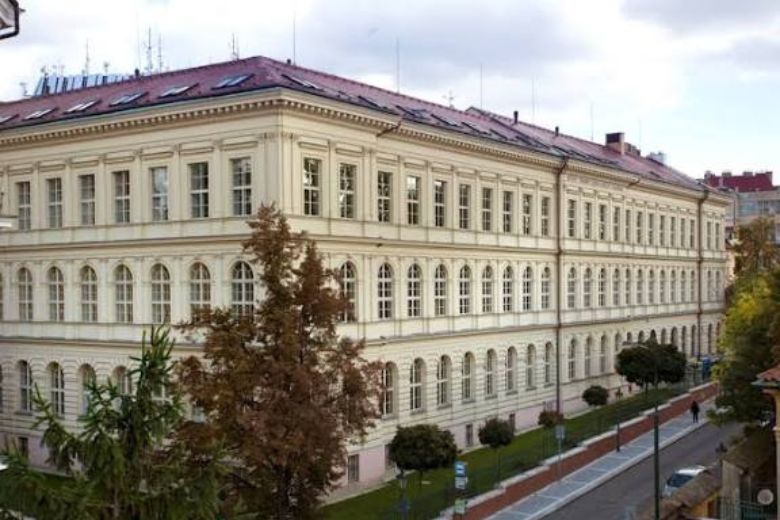
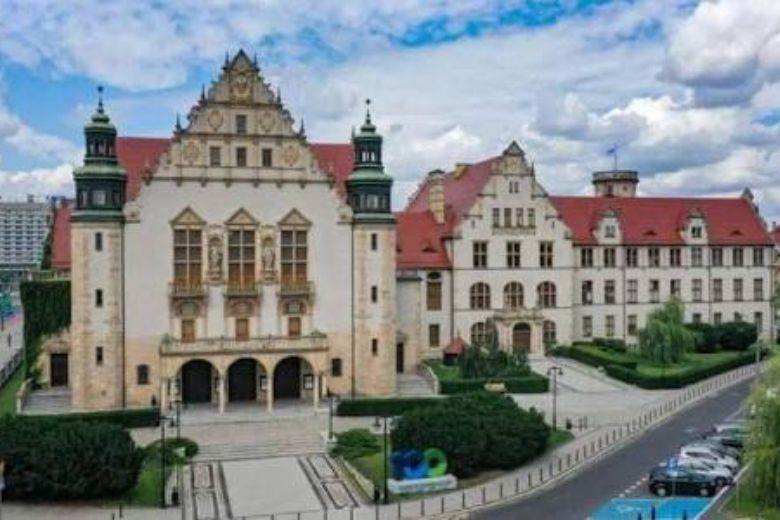
Institutions in Eastern Europe have made remarkable strides in enhancing their academic stature on the international stage. Esteemed establishments such as Charles University in the Czech Republic, the University of Debrecen in Hungary, and the University of Warsaw are increasingly revered, earning spots in global academic rankings. Importantly, these leading medical schools are accredited by the World Health Organization (WHO) and listed in the World Directory of Medical Schools—credentials that are vital for graduates aiming to sit for licensure exams or practice in regions outside Europe.
Navigating the Application Process and Admission Criteria
The competitive nature of medical program admissions necessitates that prospective students undergo entrance examinations, which typically assess their proficiency in biology and chemistry. For students in the GCC, these exams can be taken from regional centers in Dubai and other locations, making the process more accessible. Admissions decisions predominantly hinge on performance in these entrance assessments, alleviating the need for additional standardized tests.
Immigration Protocols for International Students
Once admitted to a program, students are granted a student visa valid for the duration of their studies. The visa application process requires careful preparation, as supporting documents often need translation and authentication. It is prudent for students to initiate this process well in advance to ensure timely submission to consulates and embassies.
Financial Considerations: Tuition Fees and Scholarships
When juxtaposed with study destinations such as the United States and the United Kingdom, Eastern Europe presents a financially strategic option for obtaining a globally recognized medical qualification. Tuition fees across various institutions range from USD 15,000 to USD 30,000 per annum, and several universities extend merit-based scholarships, which can significantly lighten the financial load for academically outstanding students.
Cost of Living and Accommodation Options
One of the compelling advantages of studying in Eastern Europe is the comparatively low cost of living, further enhanced by the relative safety of urban centers. Students can select from a range of accommodation options, from modern on-campus facilities to private residences in nearby communities. Typically, the annual cost of living, including accommodation, food, transport, and personal expenses, ranges from EUR 8,000 to EUR 10,000, making it an affordable choice for GCC families.
Experiencing Campus Life in Eastern Europe
The cultural tapestry of Eastern Europe adds vibrancy to university life. Institutions steeped in rich academic traditions foster diverse and multicultural communities that make for a lively atmosphere. Additionally, the region’s friendly hospitality and geographical proximity to the GCC facilitate ease of travel and communication between students and their families.
Post-Graduation Career Opportunities
Graduates of Eastern European medical schools possess diverse career trajectories. They may choose to practice in the country of their study, contingent upon achieving local language fluency, which is often integrated into the curriculum. Additionally, these degrees open doors to licensure examinations in regions like the UK, Ireland, and the US, where there is high recognition of Eastern European qualifications. Hence, whether students opt to return home, remain in Europe, or explore opportunities elsewhere, a medical degree from Eastern Europe can serve as a vital stepping stone toward a global medical career.
For those interested in venturing into Eastern Europe for higher education, further insights and personalized guidance can be gained through a consultation with UniHawk.
Further Reading:
Explore more about the options available, financial aid opportunities, and tips for settling into life in Eastern Europe.
Tags: #EducationNews #StartupsEntrepreneurship #UAE