
The Future of Web Design: Trends Shaping the Digital Experience in 2026
As we traverse deeper into an increasingly digital world, the realm of web design is set on a trajectory of transformative innovation. By the year 2026, the conventional understanding of websites—previously mere digital brochures—has evolved into immersive hubs, characterized by intelligence and personalization. This shift is not merely an aesthetic evolution; it reflects the broader changes in user expectations, technological advancements, and shifts in digital behavior.
Sharad Agarwal, the CEO of Cyber Gear, eloquently encapsulates this sentiment, asserting, “The future of web design lies at the intersection of AI efficiency and human creativity, where technology accelerates execution, but strategy and experience remain deeply human.” This duality between technology and the human touch is central to the trends shaping modern web design.
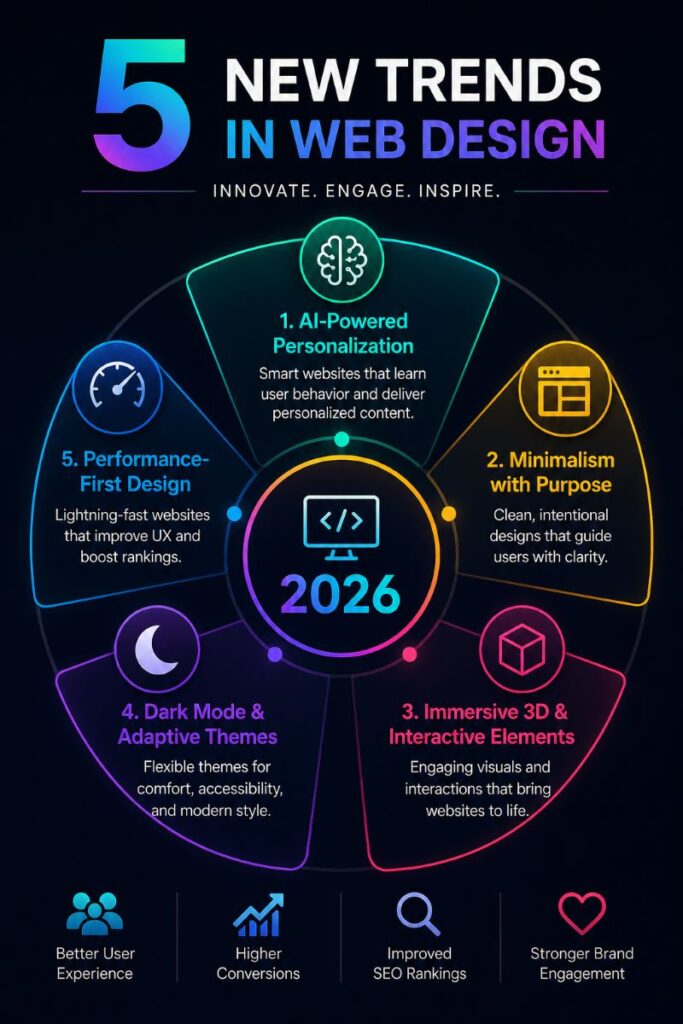
1. AI-Powered Personalization
Artificial Intelligence (AI) stands at the forefront of this revolution, fundamentally reshaping how websites engage with visitors. Gone are the days of generic content delivery; today’s websites utilize AI to tailor experiences in real time. By analyzing user behavior and preferences, sites can offer personalized product suggestions, customized landing pages, and contextually relevant content. This not only enhances user engagement but significantly boosts conversion rates as visitors interact with tailor-made experiences that resonate with their individual journeys.
Consider an e-commerce platform that can dynamically alter its homepage based on a user’s past purchases and browsing habits. This heightened level of personalization cultivates a sense of familiarity and relevance, thus improving the overall user experience and driving sales.
2. Minimalism with Purpose
While minimalist design principles have long been favored, in 2026, they have taken on a new, more strategic significance. Modern web designers are now more inclined toward clean layouts that prioritize white space and a clear visual hierarchy. Such design choices reflect a deliberate effort to create an intuitive navigation experience, where every design element has a purpose and contributes to the overall goal of the site. This purposeful minimalism enhances speed, readability, and accessibility, ensuring that visitors can effortlessly locate the information they seek—all while aligning seamlessly with mobile-first design ideals.
3. Immersive 3D and Interactive Elements
The technological capabilities of modern web browsers have opened the door to the integration of dynamic 3D graphics and interactive features, enriching the user’s engagement with the site. These elements—ranging from scroll-activated animations to interactive product showcases—allow brands to craft compelling narratives and stand out in an otherwise saturated digital marketplace. By harnessing 3D visuals judiciously, companies can significantly boost user retention as visitors are drawn into visually captivating experiences that linger in their memory.
4. Dark Mode and Adaptive Themes
The rising popularity of dark mode is emblematic of a broader trend towards user-centric design. Dark mode is appealing not solely for its aesthetic value but also for its functional advantages, particularly regarding usability and eye comfort. As users increasingly expect the flexibility to switch between light and dark viewing modes, designers are stepping up, creating adaptive themes that automatically adjust brightness, contrast, and color schemes in alignment with user preferences or environmental conditions. This approach not only enhances accessibility but significantly reduces eye strain for those who spend extended hours online.
5. Performance-First Design
In a digital landscape where users demand immediate results, web design in 2026 is decidedly performance-driven. The expectation for instantaneous responses means that even a single second of delay can adversely affect engagement and conversion efforts. Consequently, designers are prioritizing lightweight frameworks, optimized image formats, and efficient coding practices. An emphasis on Core Web Vitals and other performance metrics is becoming paramount as businesses strive to offer fast-loading sites. This performance focus not only enhances user experience but also contributes positively to search engine rankings, establishing performance as a crucial competitive differentiator.
Conclusion
The evolving landscape of web design in 2026 reflects a harmonious blend of creativity, technological prowess, and a focus on user-centric experiences. From AI-driven personalization to performance-first strategies, these trends signify a movement toward more intelligent and meaningful digital interactions. Organizations that embrace these innovative practices will not only capture attention but also foster deeper engagement, thereby enhancing their market presence in an increasingly competitive online environment.
As web design continues to advance, the potential for creating bespoke digital experiences promises to further transform the way we interact with the online world—an evolution that undoubtedly will shape our digital future for years to come.
Tags: #BusinessNews, #TechnologyNews, #UAE