
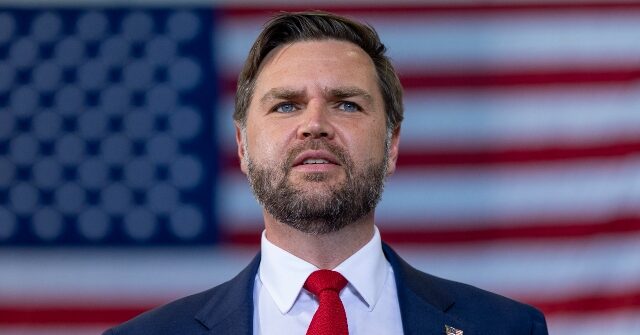
Vice President J.D. Vance Champions TikTok’s U.S. Separation from ByteDance, Assures Users of Data Security
In a pivotal moment for digital privacy and national security, Vice President J.D. Vance recently expressed his confidence in the Trump administration’s initiative to sever ties between TikTok and its Chinese parent company, ByteDance. During an interview with Fox News, Vance addressed concerns regarding the data vulnerabilities posed by TikTok, especially in light of allegations that the platform could be exploited for propaganda purposes by foreign entities.
Vance’s comments come on the heels of President Donald Trump’s executive order, which has laid the groundwork for TikTok to continue its operations in the United States through a revised ownership structure. “I feel very confident that we have successfully separated this company from TikTok global and actually made it so that we can control people’s data security,” Vance asserted. He emphasized that this restructure would counteract the potential use of TikTok’s algorithm as a tool for foreign influence.
Under the proposed terms of the deal, a new joint venture would govern TikTok’s American operations, drastically reducing ByteDance’s stake to less than 20 percent. The remaining ownership is poised to include significant American investors, notably Oracle, the private equity firm Silver Lake, and the Abu Dhabi-based investment fund MGX. High-profile figures like media mogul Rupert Murdoch and tech entrepreneur Michael Dell are also reportedly involved in the consortium responsible for the takeover.
A defining feature of this arrangement is the agreement for ByteDance to lease its algorithm to the new U.S. company, with Oracle assigned the critical task of retraining this software. In addition, Oracle’s management of a secure cloud storage system is set to ensure that the data of U.S. users is protected from any potential foreign access. This facet of the agreement highlights a robust response to enduring concerns over data security and privacy that have been consistently raised in discussions surrounding TikTok.
Vice President Vance was notably optimistic about the American-led nature of this new enterprise. “The way that we’ve set up this deal from a national security perspective is that it’s the American investors and the American businesspeople who will make the determination about what’s actually happening with TikTok,” he remarked. He further clarified that “north of 80 percent of the company will be owned by American investors and their partners.” This assertion seeks to reassure American users that their data will be controlled by domestic entities rather than by foreign stakeholders.
Even as Vance articulated this confidence in the separation of TikTok from its Chinese origins, it is noteworthy that ByteDance has not yet publicly acknowledged the executive order or the ongoing negotiations. Moreover, the Chinese government has yet to announce any amendments to its current regulatory framework, which could facilitate the transfer of ownership. This lack of clarity raises questions about the feasibility and the timeline for the successful transition envisioned by U.S. officials.
The implications of this deal are multifaceted, touching not only on user data protection but also on the broader dynamics of U.S.-China relations in the tech domain. As TikTok boasts over 100 million American users, the stakes are particularly high. Maintaining the trust of users hinges upon the administration’s capability to effectively manage the complexities of this corporate restructuring while ensuring that U.S. data remains secure.
The architectural shift in TikTok’s ownership and management structure serves as a significant case study in the ongoing discussions about digital sovereignty, data privacy, and the intersection of technology with geopolitics. As the landscape of social media continues to evolve, the scrutiny on applications like TikTok is heightened, necessitating a transparent conversation about the implications of foreign ownership and data transfer in an increasingly interconnected world.
In conclusion, Vice President J.D. Vance’s enthusiasm for TikTok’s new operational framework symbolizes a concerted effort to assert control over digital platforms while assuring millions of American users about the sanctity of their personal data. As this narrative unfolds, it will undoubtedly influence regulatory frameworks and corporate strategies within the technology sector.
Tags:
#BusinessNews #EconomyNews #UAE #TikTok #DataPrivacy