
Reassessing TikTok's Future: A New Chapter Amidst Security Concerns
In a landscape rife with increasing scrutiny over the intersection of digital platforms and national security, Vice President JD Vance’s recent comments regarding TikTok have ignited a renewed dialogue about the social media giant’s operations in the United States. Speaking on “Fox News Sunday,” Vance expressed a measured optimism about TikTok’s ability to function without jeopardizing national security interests, asserting that the platform has been effectively dissociated from its parent company, ByteDance, based in China.
“I feel very confident that we have successfully separated this company from TikTok global and actually made it so that we can control people’s data security. We can ensure that the algorithm is not being used as a propaganda tool by a foreign government,” Vance articulated, embodying a sentiment shared by many policymakers favoring a pioneering shift in ownership and operational structure.
The concerns surrounding TikTok’s affiliations with ByteDance and its extensive data harvesting practices have been a source of political contention for several years. The platform, which has surged in popularity, particularly among younger users, has found itself at the crossroads of a geopolitical tug-of-war, catalyzed by fears of espionage and data breaches that could endanger American citizens.
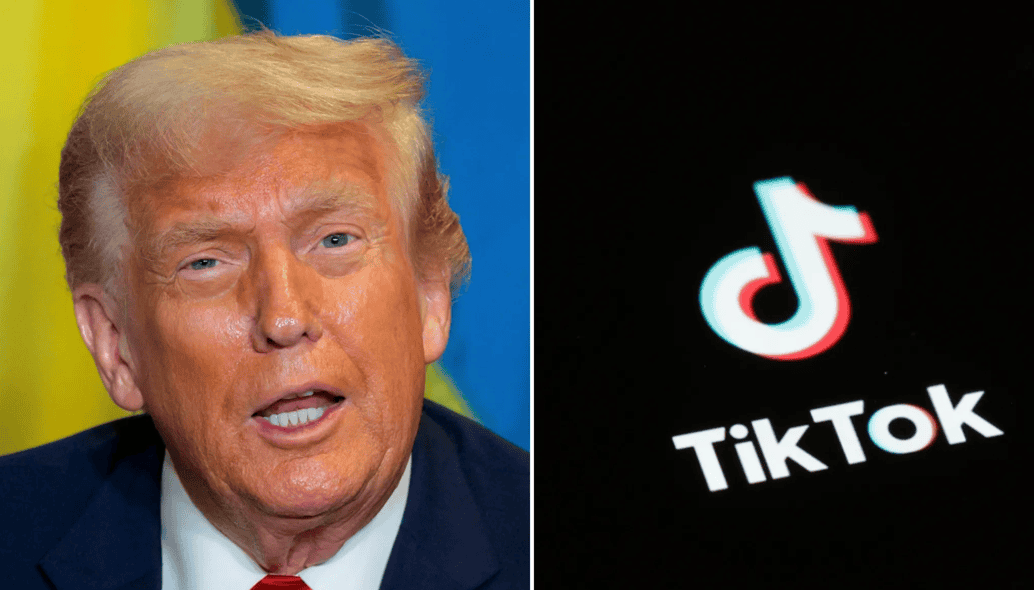
Earlier this year, former President Donald Trump took executive action to endorse a proposal for TikTok’s U.S. operations to transition to a new joint venture framework. This proposal aims to dilute ByteDance’s control, capping its ownership at a mere 20 percent. The arrangement envisions a consortium of American investors, including tech giants Oracle and Silver Lake, along with the Abu Dhabi-based MGX fund, stepping in to claim majority ownership of the platform. Notable backers of ByteDance, such as Sequoia Capital, Susquehanna International Group, and General Atlantic, are also anticipated to engage in this significant equity realignment.
Vance emphasized the valuation of TikTok’s business at approximately billion, which underscores the platform’s commercial viability despite the ongoing geopolitical tension. He reassured the public that American business leaders will play pivotal roles in determining the platform’s data management policies and algorithmic processes. “At the end of the day, I believe that north of 80 percent of the company will be owned by American investors and their partners. This is not something where the Chinese or any Chinese entity has a large stake at the table,” he stated.
The potential restructuring is not merely a corporate maneuver but rather a response to mounting pressures from both political operatives and the general populace, who remain increasingly wary of foreign influence on digital platforms. Trump’s assertion that Chinese President Xi Jinping has tacitly approved the arrangement highlights the complexities of international business negotiations amidst national security implications. However, Vance also acknowledged the existing reservations from Beijing regarding the deal, an indication that the negotiations may be rife with challenges.
As it stands, ByteDance has yet to formally endorse the proposed partnership, and the Chinese authorities have not clarified whether they would amend existing laws that could be pivotal for this agreement’s advancement. Consequently, TikTok will continue its operations as these significant discussions unfold, leaving users and stakeholders in a state of uncertainty.
The implications of this situation extend beyond the technology sector and into the broader arena of international relations and digital governance. A successful realignment of TikTok’s ownership structure could set a precedent for how digital platforms are held accountable in respecting user privacy and data security while navigating the treacherous waters of global politics. As the landscape evolves, the ongoing developments of TikTok’s restructuring will likely become a case study in balancing innovation with national security concerns.
As we move forward, it remains imperative for stakeholders, including regulators, investors, and users alike, to engage in an informed dialogue about the future of digital media, privacy rights, and international cooperation. The case of TikTok is just a chapter within a larger narrative on how technology reshapes societies and the values they uphold.
Tags: #BusinessNews, #EconomyNews, #USA