
Zurich Maintains Its Crown as the World’s Smartest City in IMD Smart City Index 2026
For the seventh consecutive year, Zurich has emerged triumphantly at the pinnacle of the IMD Smart City Index, reaffirming its status as the world’s leading smart city. This accolade was highlighted in the 2026 report published by the IMD World Competitiveness Centre on Tuesday, which ranked cities based on their governance, transparency, and citizen engagement rather than solely on technological advancements. The top five cities—Zurich, Oslo, Geneva, London, and Copenhagen—epitomize a paradigm shift in how urban intelligence is defined.
The 2026 edition of the IMD Smart City Index, dubbed “The Quest for Trust and Transparency,” provides an expansive evaluation of 148 cities around the globe. The report’s findings pivot on the notion that a city’s ‘smartness’ hinges significantly on governance and citizen participation. Urban officials and planners have long focused on physical infrastructure, but this year’s report makes clear that intangible elements like trust and transparency are equally, if not more, important.
Arturo Bris, the Director of the World Competitiveness Centre, articulated a critical insight regarding the metrics of smart cities. He emphasized that the most successful urban centers are not those flaunting state-of-the-art technologies—such as extensive sensor networks or strikingly modern architecture—but are instead those that can seamlessly integrate governance, sustainability initiatives, investment, and public trust. As such, the report underscores the role of informed and engaged citizens in fostering a high quality of life and satisfaction across various dimensions of urban existence.
A pivotal finding in the report suggests that cities where residents feel well-informed and directly involved in governmental decision-making processes consistently enjoy higher satisfaction rates across numerous facets of city life. The correlation between trust and effective governance is compelling. Trust forms a foundational pillar that undergirds the performance of smart cities, promoting essential investments in both institutions and infrastructure. When these elements are delivered transparently, they bolster confidence among the populace, creating a positive feedback loop that further enhances civic engagement and satisfaction.
Interestingly, the Gulf cities of Dubai and Abu Dhabi showcased remarkable performances, securing the 6th and 10th positions, respectively. This performance is indicative of their capacity to deliver reliable and high-quality government services. Such achievements reaffirm the notion that effective governance can indeed elevate a city’s standing on the global stage of smart city rankings.
In contrast, cities like Hanoi and Ho Chi Minh City, which ranked 97th and 105th respectively, displayed significant trust in online government services. Despite their lower overall rankings, these cities highlight an interesting dichotomy: a high perception of trust juxtaposed against a backdrop of governance weaknesses. Furthermore, major technology hubs in India, such as Mumbai, Bengaluru, and Hyderabad, found themselves languishing in the lower tier of rankings. Their valiant efforts to establish a robust digital economy appear to be thwarted by deficiencies in governance and civic participation.
The report’s findings extended beyond simple rankings, highlighting notable shifts in city standings. AlUla in Saudi Arabia impressively climbed 27 spots, while Washington D.C. observed a commendable rise of 23 places. On the other hand, cities like Bordeaux and Lyon experienced declines, dropping 19 places, with Ottawa and Shenzhen trailing closely behind at 18 spots lower.
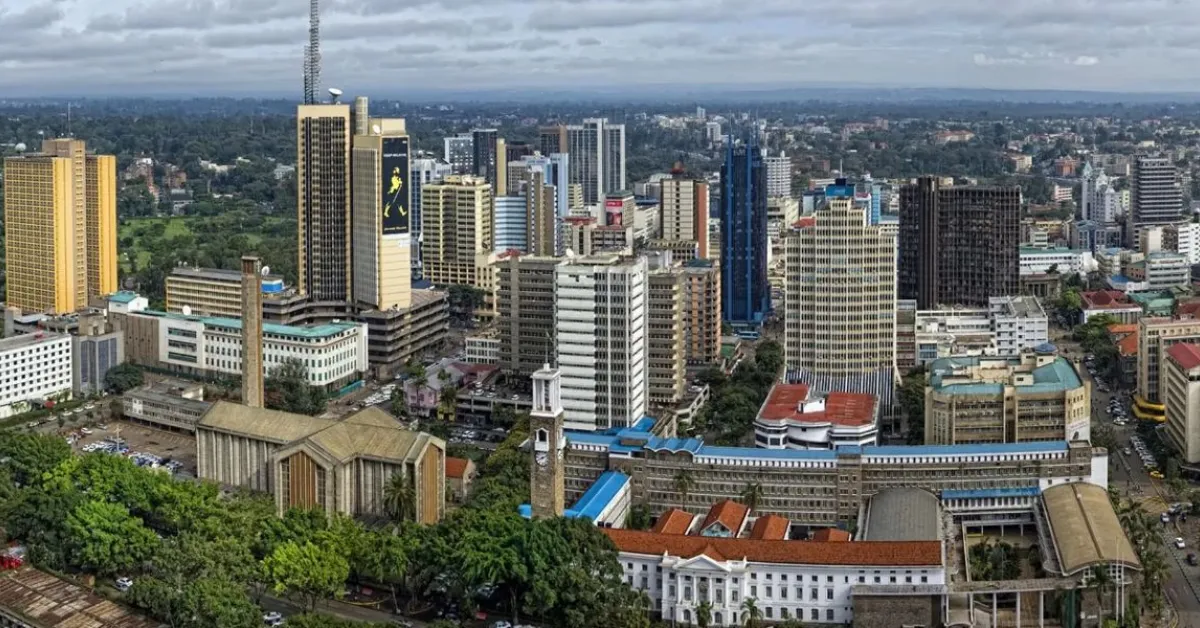
At the other end of the spectrum, cities such as Rome, Athens, São Paulo, Amman, and Nairobi languished at the bottom of the Index. The report noted that while their technological capabilities outshone their governance performances, the overall rankings remained dismal. For instance, both Athens and Rome exhibited troublingly low anti-corruption scores and levels of citizen participation that fell below many Sub-Saharan African cities, encapsulating a stark reminder of the challenges that such urban centers face.
A noteworthy aspect of IMD’s methodology lies in its reliance on resident perceptions over purely quantitative data. Each city is evaluated through surveys conducted with approximately 400 residents, chosen to mirror the demographics outlined in the Subnational Human Development Index. This approach places human experience at the heart of the evaluation process, offering a nuanced understanding of what it means to reside in a smart city.
In summation, the IMD Smart City Index 2026 serves as not only a guide to urban development but also a proclamation that the foundation of a truly intelligent city lies in its governance, transparency, and citizen engagement. As cities around the globe aspire to elevate their smart city rankings, the lessons embedded in these findings may well illuminate the path forward for urban development in the years to come.
Tags: #BusinessNews #EconomyNews #UAE