
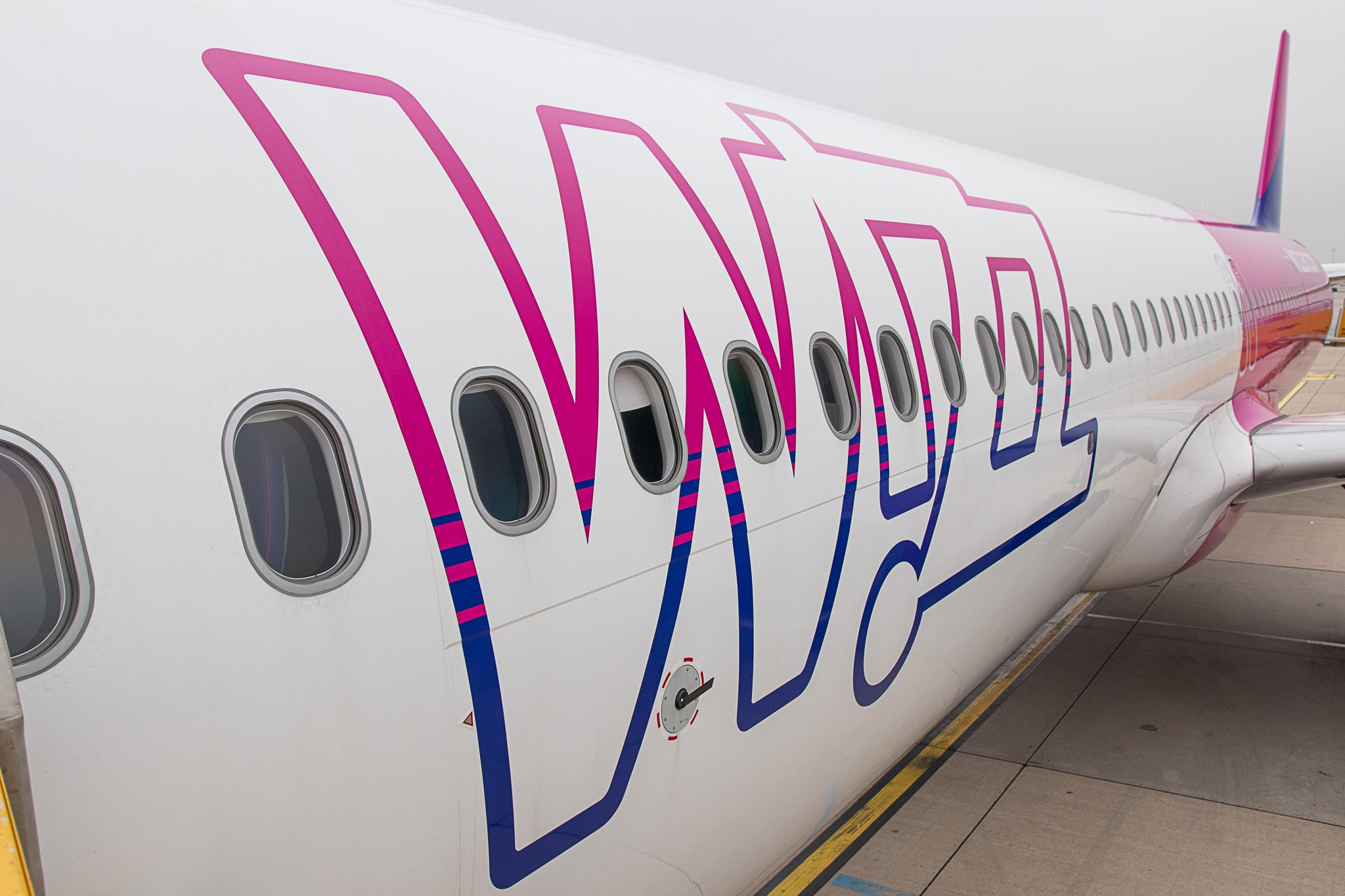
Wizz Air Launches WIZZ Link, Expanding Connectivity with a Caveat
In an ambitious move to enhance air travel connectivity across Europe and beyond, Wizz Air has recently introduced its innovative WIZZ Link service. This new offering, which permits passengers to bundle multiple flights into a single booking, aims to simplify the often cumbersome process of planning a multi-leg journey. While the initiative promises to unveil nearly 8,000 new route combinations centered around key hubs such as Prague, Budapest, London, Rome, Warsaw, and Tirana, it raises important questions regarding convenience and the overall travel experience.
Wizz Air’s announcement sheds light on the core functionality of WIZZ Link, allowing a streamlined booking process that was previously marked by the necessity for repeated searches and individual transactions. The airline emphasizes that this service transforms the customer experience, encapsulating the convenience of modern travel within its operational framework.
For instance, as of the current date, WIZZ Link showcases over a hundred potential destinations from Prague under a single booking, providing travelers with an opportunity to connect through just one transfer. However, this simplicity comes with a significant caveat: many of these connections may necessitate extensive waiting periods, extending well beyond 20 hours in some cases. A case in point is a connection from Prague to Košice via Rome, which has a total travel time of 22 hours and 15 minutes. Another example includes the Prague to Medina route, which connects through London Gatwick and results in a daunting travel duration of 30 hours and 15 minutes.
The implementation of this service does not come without its complications. Wizz Air has made it clear that the flights booked through WIZZ Link do not constitute traditional connecting flights. Upon arriving at the transit airport, passengers are required to retrieve their checked luggage, navigate through customs and passport control, and check in anew for their subsequent flight. This necessitates a comprehensive understanding of visa requirements that may vary based on both the destination and the country of transit.
Such stipulations naturally raise concerns about the practicality of the WIZZ Link service. Travel disruptions pose a frequent threat to tight travel schedules, especially when navigating the complexities of multiple airline policies and airport protocols. Recognizing this potential pitfall, Wizz Air offers an optional transfer insurance product through its partnership with Dohop. This program, termed ConnectSure, provides a safety net for passengers, ensuring that in the event of a missed transfer due to travel disruptions, they will be rebooked onto the next available flight at no additional cost. Furthermore, accommodations and other necessary arrangements are managed by the service, alleviating some of the burdens placed on travelers.
Despite the significant advantages of expanded flight options and potential financial savings, the lack of automatic baggage transfer poses a critical consideration for potential users of the WIZZ Link service. Competitors in the low-cost airline sector, such as Ryanair and easyJet, have either attempted similar structures or currently offer integrated connection services, often simplifying the journey while maximizing convenience. EasyJet, for example, facilitates seamless transfers for connecting flights from Prague to other carriers, establishing a benchmark that Wizz Air may need to address in order to enhance the attractiveness of its own service.
As the travel landscape continues to evolve, particularly in a post-pandemic world, airlines are challenged to innovate while keeping customer experience at the forefront of their strategies. Wizz Air’s WIZZ Link initiative is, undeniably, a step toward diversifying air travel for budget-conscious passengers. However, whether this new service can overcome the inherent challenges related to travel times, baggage handling, and customer convenience remains to be seen.
For those interested in exploring WIZZ Link and its offerings, more detailed information is available on the Wizz Air and Dohop websites, where prospective travelers can delve into ticketing options and specific conditions surrounding the new service.
Conclusion
In essence, Wizz Air’s WIZZ Link service embodies both a promise of expanded connectivity and a reminder of the complexities that characterize modern air travel. As the airline positions itself within an increasingly competitive market, the balance between savings and convenience will ultimately determine the service’s allure for passengers seeking to navigate the skies efficiently.
—
Tags: #WizzAir #StartupsEntrepreneurship #TravelTourism #Europe