
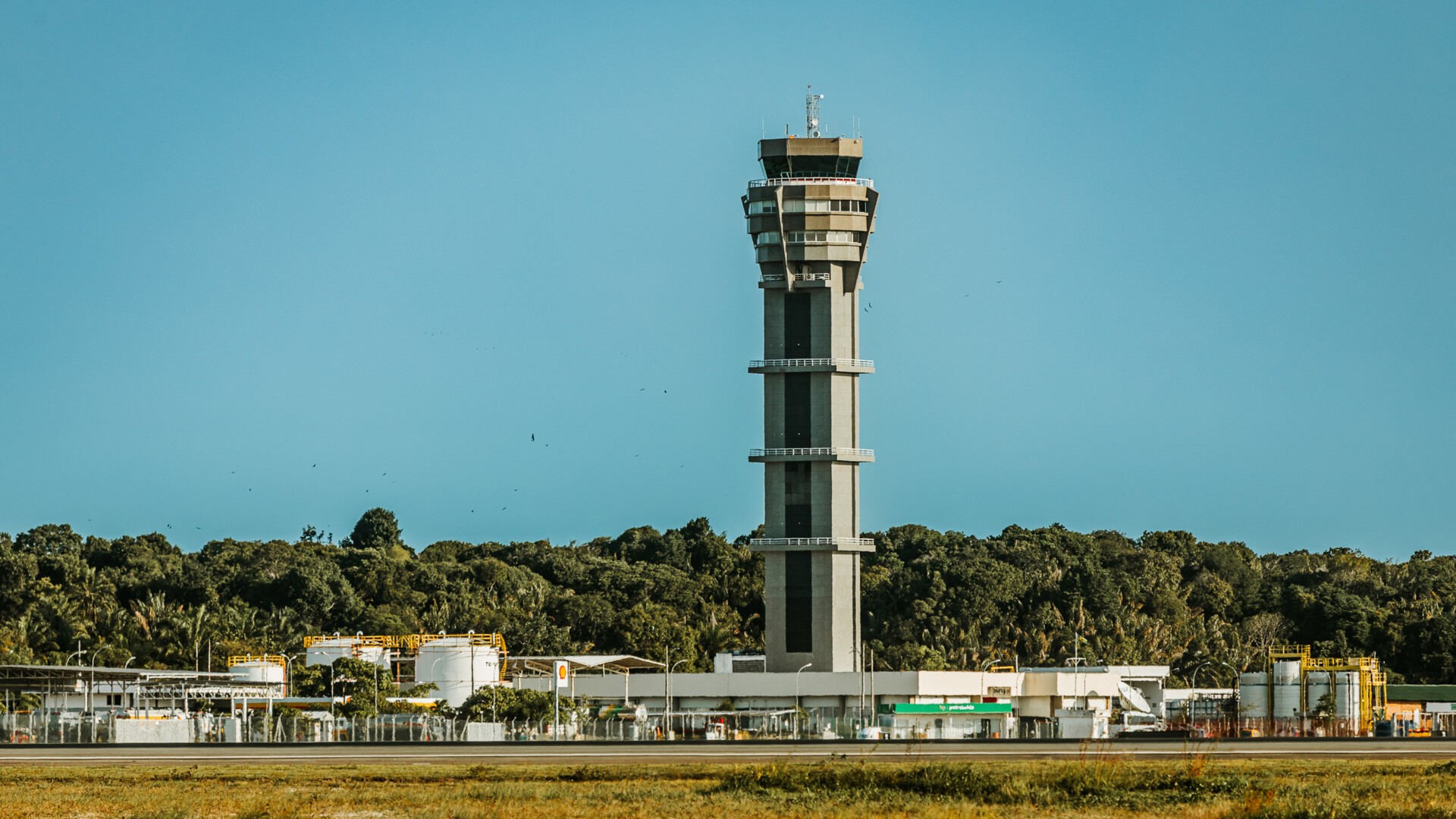
Salvador Bahia Airport Achieves Landmark Carbon Accreditation: A Milestone in Global Airport Decarbonization Efforts
In a pioneering achievement, Salvador Bahia Airport (SSA) has etched its name in history as the first airport in Brazil, and indeed across the entire American continent, to attain Level 5 of the Airport Carbon Accreditation (ACA). This prestigious certification, bestowed by Airports Council International (ACI), is the highest global recognition in the field of airport decarbonisation. It signifies the airport’s accomplishment of achieving net-zero emissions across Scopes 1 and 2, while also committing to reach net-zero for Scope 3 emissions by the year 2050.
The announcement was made during COP30, held in Belém, Brazil, marking a significant moment in the ongoing dialogue about environmental sustainability in the aviation sector. This achievement is particularly noteworthy given that Salvador Bahia Airport had previously established itself as one of the first global airports to receive the Level 5 accreditation at COP28 in Dubai, just two years prior.
The pathway to this significant certification was paved through a series of strategic initiatives undertaken by the dedicated teams at Salvador Bahia Airport. Notable among these efforts is the implementation of solar power generation facilities, with two photovoltaic plants harnessing renewable energy. The airport now operates with a 100% renewable energy model, replacing traditional gas-powered equipment with electric alternatives. Furthermore, the fleet of vehicles supporting airport operations has been converted to electric or biofuel-powered systems, significantly mitigating carbon emissions tied to transportation.
In addition to these operational changes, the airport has actively engaged with stakeholders to foster a comprehensive culture of emission reduction. This dialogue is essential, as it not only raises awareness but also galvanizes collective action towards carbon neutrality. The airport is also offsetting any residual emissions through certified carbon sequestration projects, ensuring that its commitment to sustainability is as robust as its achievements.
Nicolas Notebaert, CEO of Concessions at VINCI and President of VINCI Airports, articulated the importance of this milestone, stating, “This milestone marks a major step forward on the American continent in the decarbonisation of our airport activities and aviation as a whole. It reflects the outstanding commitment of our teams and our determination to take decisive action across our airports worldwide.” His acknowledgment emphasizes the collaborative effort in the aviation sector to confront climate change head-on.
VINCI Airports’ broader aspirations underscore the urgency of their mission. The company has set ambitious goals, aiming for net-zero emissions for all direct activities by 2030 within the confines of the European Union and the United Kingdom, with a target of achieving this goal globally by 2050. Such commitments indicate a significant pivot by major airport operators toward sustainability, aligning with the urgent global call for action to mitigate climate effects.
The implications of SSA’s accreditation extend beyond national borders, serving as a benchmark for airports in the Americas and globally. This achievement not only bolsters Brazil’s reputation in environmental stewardship but also highlights the crucial role of airports in the broader context of climate action.
As we witness a new era where sustainability is becoming a paramount value in every industry segment, the aviation sector is no exception. The successes achieved by Salvador Bahia Airport should serve as an inspiration for other airports, urging them to strive for excellence in carbon management and environmental responsibility.
The path to sustainable aviation is filled with challenges, but the decisive actions taken by Salvador Bahia Airport illuminate a promising direction for the future. As aviation continues to evolve, the commitment to sustainability will become increasingly integrated into operational frameworks, reshaping the landscape of air travel as we know it.
Tags: #EnvironmentNews #BusinessNews #Bahrain