
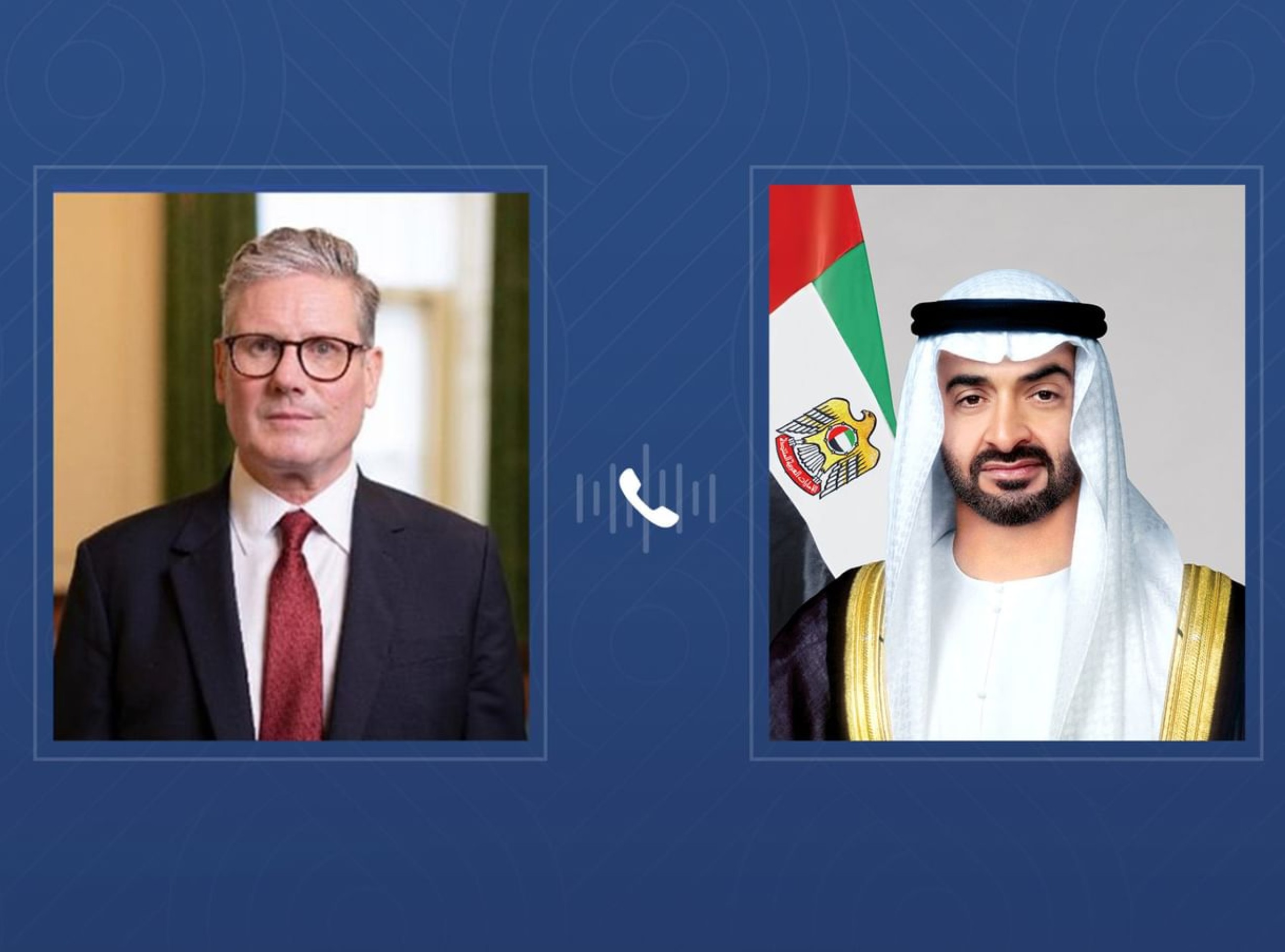
In a significant move underscoring the importance of international diplomacy, His Highness Sheikh Mohamed Bin Zayed Al Nahyan, the President of the United Arab Emirates, engaged in a telephone conversation on Wednesday with Keir Starmer, the Prime Minister of the United Kingdom. This dialogue served as a platform for both leaders to reflect on and reinforce the longstanding ties between the UAE and the UK, while also exploring avenues for enhanced cooperation in pursuing developmental objectives aligned with the interests of both nations.
The discussion transcended bilateral matters, delving into a spectrum of regional and global issues that are of mutual concern, particularly developments unfolding in the Middle East. Given the tumultuous nature of the region, such conversations are pivotal, as they not only foster diplomatic ties but also encourage a collaborative approach to address multifaceted challenges.
One of the critical points of discussion during this exchange was the ongoing humanitarian crisis in the Gaza Strip. Both leaders articulated a shared commitment to facilitating a ceasefire and ensuring the timely and adequate delivery of humanitarian aid to the affected populations in the region. This initiative underlines both the UAE’s and the UK’s stance on the necessity for a concerted international effort to alleviate the suffering of civilians impacted by strife and conflict.
Sheikh Mohamed took the opportunity to commend the United Kingdom for its recognition of the State of Palestine, which the UAE sees as a vital step toward achieving peace. He emphasized that the two-state solution remains the most viable framework for establishing lasting stability not just for the Palestinians and Israelis, but for the broader Middle Eastern landscape. The importance of a negotiated solution that respects the rights and aspirations of both peoples is a fundamental principle that both leaders appear to endorse.
Such dialogues between world leaders reflect a growing understanding of the interconnected nature of international relations in today’s world. The ramifications of policy decisions spin far beyond national borders, particularly in regions beleaguered by conflict. The UAE, which has positioned itself as a mediator in various international disputes, recognizes its role in fostering peace and stability.
Regional political dynamics, particularly in relation to Israel and Palestine, are complex and laden with historical grievances. The UAE has, in recent years, sought to navigate these waters carefully, particularly following the Abraham Accords which normalized relations between Israel and several Arab nations. This strategic pivot has enabled the UAE to engage with various stakeholders more effectively, advocating for peace initiatives while leveraging its new relationships for broader regional stability.
Furthermore, the dialogue between Sheikh Mohamed and Prime Minister Starmer highlights the evolving nature of UK-Arab relations in the context of contemporary geopolitical challenges. As the European landscape grapples with its own sets of challenges, the UK’s engagement with Gulf nations such as the UAE becomes increasingly vital in sustaining an economic and diplomatic balance. This partnership could yield fruitful outcomes, not only in terms of regional stability but also in bolstering trade and investment opportunities that both nations could exploit.
Ultimately, this engagement between the UAE and the UK serves as a reminder that leadership in times of crisis requires not only the acknowledgment of shared interests but also decisive action aimed at fostering a peaceful and prosperous future. The weight of history combined with the urgency of present circumstances calls for a concerted effort from both nations to champion approaches that address not only immediate humanitarian needs but also lay the groundwork for lasting diplomatic resolutions.
In conclusion, as global citizens witness the unfolding events in the Middle East, the importance of discussions such as this cannot be overstated. The commitment to find common ground and address significant humanitarian concerns reflects a genuine desire for peace and stability in an ever-changing world.
Tags: #WorldNews, #BusinessNews, #MiddleEast, #UAE, #UK, #DiplomacyNews