
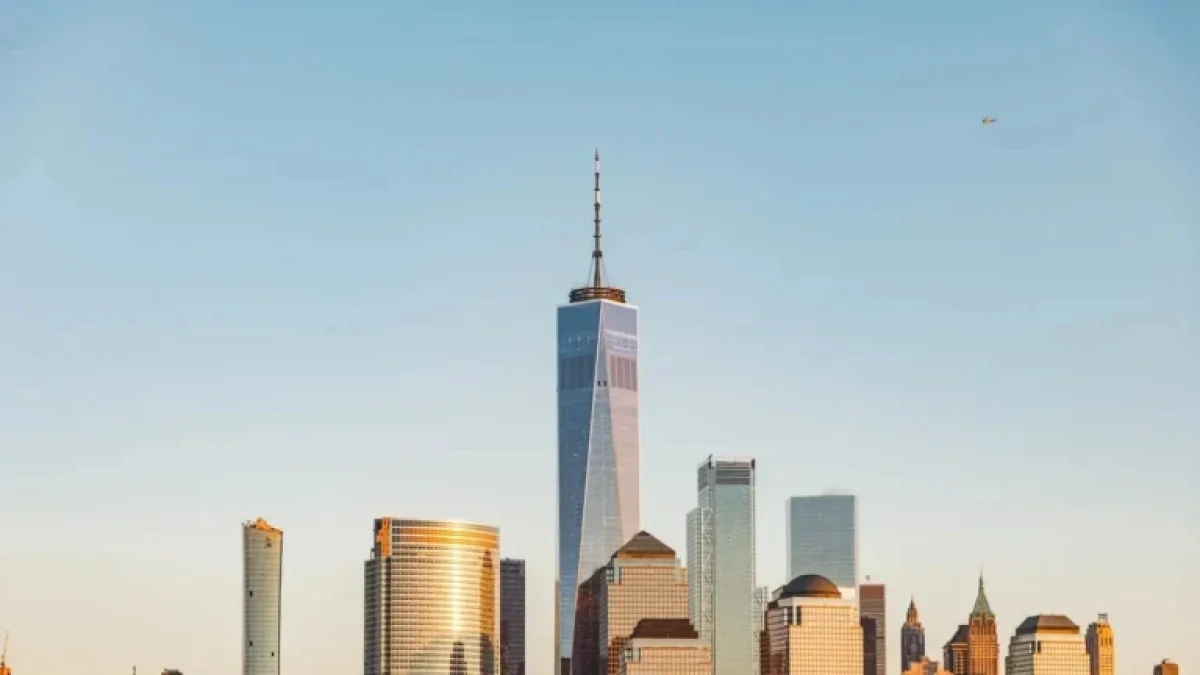
The Pinnacle of Urban Ambition: A Journey into the World of Skyscrapers
The tallest buildings in the world stand as monumental testaments to humanity’s relentless pursuit of architectural excellence and engineering innovation. Spanning continents—from East Asia to the Middle East and North America—these extraordinary structures not only define city skylines but also symbolize the economic and cultural vitality of their respective regions. As advancements in materials science and construction techniques continue to evolve, the dream of erecting these towering giants has transitioned from mere aspiration to extraordinary reality.
Innovations in Skyscraper Design
Modern skyscrapers are a marvel of contemporary engineering, incorporating cutting-edge materials and technologies that bolster their stability and functionality. High-strength concrete and steel, coupled with wind-resistant designs, enable these structures to defy nature’s forces while maximizing usable space. These towering edifices are no longer mere commercial complexes; they are multifunctional hubs accommodating observation decks, luxury hotels, upscale residences, commercial offices, and retail establishments, all seamlessly integrated within a single framework.
The evolution of elevator technology stands out as a pivotal innovation that supports the functionality of tall buildings. High-speed elevators enhance the efficiency of vertical transport, allowing occupants to traverse numerous floors in a matter of seconds—a critical feature given the sheer height of modern skyscrapers.
Iconic Skyscrapers: Examples from Around the Glove
As we witness the rise of new towers, iconic landmarks continue to serve as cultural beacons, recognized not only by locals but also by international visitors. These architectural marvels provide breathtaking panoramic views and an enchanting connection to the cityscape below. The following list ranks some of the tallest buildings globally, based on verified height data from the esteemed Council on Tall Buildings and Urban Habitat (CTBUH):
| Rank | Building Name | Location | Height (meters) |
|——|——————|—————|——————|
| 1 | Burj Khalifa | Dubai | 828 |
| 2 | Merdeka 118 | Kuala Lumpur | 679 |
| 3 | Shanghai Tower | Shanghai | 632 |
| 4 | Abraj Al-Bait | Mecca | 601 |
| 5 | Ping An Finance Centre | Shenzhen | 599 |
Each of these buildings represents not just the pinnacle of engineering but also reflects the socio-economic aspirations of the regions in which they are situated. The Burj Khalifa in Dubai, for instance, is not merely the world’s tallest building; it is a symbol of the rapid modernization and urbanization that characterizes the United Arab Emirates.
Key Insights
The architectural heights mentioned above exemplify the skyscrapers that dominate global cityscapes. This ranking is meticulously compiled based on architectural height, which rightly includes spires while excluding antennas and temporary structures. Notably, only completed buildings are represented in this list, underscoring the significant investments and planning that precede such monumental achievements.
As urban landscapes continue to evolve, skyscrapers play a critical role in public and private dimensions alike. They don’t just reshape the skyline; they embody the economic growth, cultural identity, and technological innovation of the cities they inhabit. Land use patterns are also being refined as high-rise constructions allow for denser population concentrations, fostering vibrant urban communities while minimizing sprawl.
Conclusion: A Testament to Urban Vision
The ever-evolving skyline stands as a testament to human ingenuity and the drive towards architectural ambition. As urban centers around the globe pursue taller, more advanced structures, the iconic nature of skyscrapers is amplified. These towering giants are not only meant to inspire awe but also to catalyze a new era of urban living, integrating residential, commercial, and recreational needs into a singular, harmonious structure.
Today’s skyscrapers represent more than just height; they are striking symbols of cultural identity, economic power, and environmental considerations within urban planning. As cities continue to develop and expand, the quest for height will persist, revealing profound insights about our ambitions, values, and the ever-changing nexus between humanity and its constructed environment.
Tags: #BusinessNews, #RealEstateNews, #UAE, #Architecture, #Innovation