
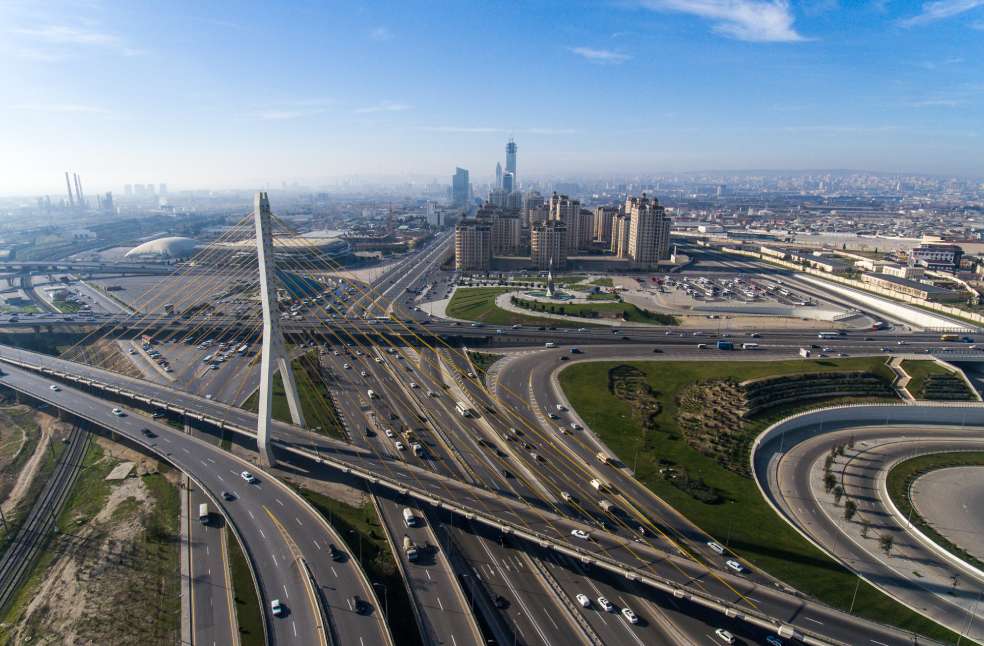
Abu Dhabi's Road Toll Amendments: A Progressive Move Towards Enhanced Traffic Management
Abu Dhabi: The Integrated Transport Centre, operating under the auspices of the Department of Municipalities and Transport, recently unveiled significant amendments to the Road Toll Executive Regulations—commonly known as DARB—set to take effect on September 1, 2025. The objective of these changes is to improve traffic flow and alleviate congestion on Abu Dhabi’s major roadways during peak hours, a challenge that has long beset urban centers worldwide.
Under the revised framework, motorists will notice a shift in the evening toll period, which will now span from 3:00 PM to 7:00 PM, an adjustment from its previous timetable. The morning toll period will remain unchanged, continuing from 7:00 AM to 9:00 AM, Monday through Saturday. Notably, the tolls will be waived entirely on Sundays and during official public holidays, allowing residents and visitors alike a respite from charges during times when road use is typically lower.
In a striking move intended to simplify the toll system, the amendments will eliminate previously established daily and monthly caps for private vehicles. Previously, drivers faced a maximum daily fee of AED 16 (approximately ) and monthly limits of AED 200 (about ), AED 150 (around ), and AED 100 (roughly ) for first, second, third, or additional vehicles. The removal of these caps marks a significant shift in policy, as it suggests a move towards a more streamlined tolling approach, potentially allowing for more flexible and responsive urban mobility solutions.
Despite the removal of these caps, the per-pass fee of AED 4 () for each vehicle that transits a toll gate will remain intact. Furthermore, the existing exemption policy, which applies to specific groups such as People of Determination, low-income families, senior citizens, and retirees, will continue to offer relief to those who qualify, ensuring that the least advantaged members of society are not unduly burdened by the toll system.
In terms of administration, Q Mobility, a subsidiary of the Abu Dhabi Developmental Holding Company (ADQ), is set to take over management and operational responsibilities for the DARB toll system. This shift is expected to bring about enhanced efficiencies and innovations through collaboration with relevant government authorities and stakeholders, ensuring that the transition to the new toll regime is seamless.
These strategic amendments to the toll regulations are indicative of the emirate of Abu Dhabi’s ongoing commitment to enhancing road efficiency and managing traffic demands. The alignment of toll charges with peak travel times and the simplification of payment structures are measures designed not only to streamline traffic flow but also to promote sustainable urban mobility. Such initiatives are paramount in an era where urban congestion and environmental sustainability have become pressing global concerns.
Abu Dhabi, known for its ambitious infrastructural developments and robust urban planning strategies, continues to lead the charge in modernizing its transportation systems. By investing in efficient traffic management solutions, the emirate is positioning itself as a model for other global cities facing similar challenges. The emphasis on sustainable practices alongside infrastructural investment reflects a comprehensive approach to urban development that recognizes the interconnectedness of transport, environmental considerations, and quality of life for residents.
In summary, the amendments to the DARB road toll regulations represent a proactive approach in addressing one of urban life’s most persistent challenges—traffic congestion. With the backing of a solid operational framework under Q Mobility, and a focus on specific demographic exemptions, Abu Dhabi is moving towards a future where traffic flow is optimized, and road usage is more predictable. As residents and visitors alike prepare for the changes set to be implemented in 2025, it will be essential to monitor the impact of these regulations on traffic patterns and commuter experiences in the capital.
Tags:
#UAE #EconomyNews #RealEstateNews