
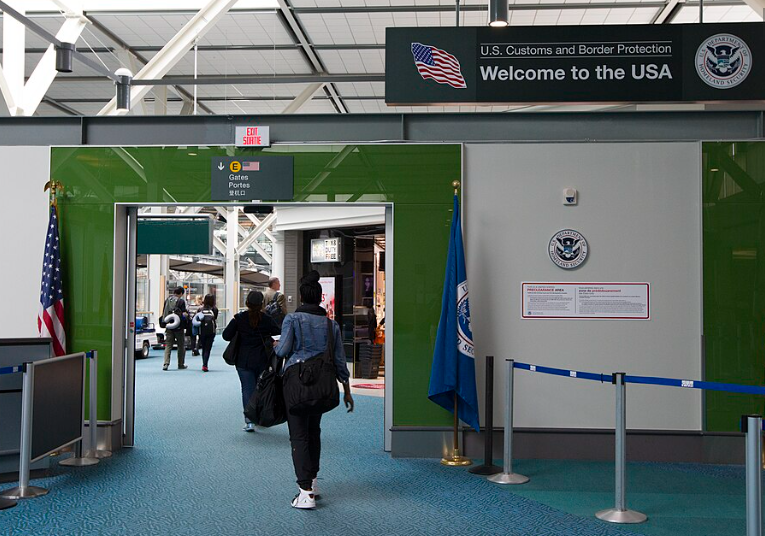
The Benefits of Pre-Clearance: A Traveler's Lifesaver Since 1952
In an increasingly interconnected world, travel often comes with the burden of lengthy queues at immigration and passport control. For many globetrotters, the prospect of waiting for hours to complete customs procedures can be a significant deterrent. However, there exists a government initiative, operational since 1952, which fundamentally alters the travel experience for those flying back to the United States from select international locations. This program, known as pre-clearance, offers passengers the invaluable advantage of clearing U.S. customs and immigration before even boarding their flights home.
Pre-clearance is a procedure that allows travelers flying from designated international airports to complete the necessary customs and immigration checks before they return to the United States. As a result, upon arrival in the U.S., they are not met with the usual labyrinth of lines that can often consume hours of their time. Instead, travelers can streamline their journey, either connecting to subsequent flights or retrieving their luggage and heading home without delay. This efficiency is particularly beneficial for business travelers with tight schedules and families eager to reach their final destinations after long journeys.
Currently, pre-clearance is offered at every Canadian airport that provides nonstop flights to the United States, as well as at major international hubs such as Dublin and Shannon in Ireland, Abu Dhabi in the United Arab Emirates, and in several Caribbean locations, including Bermuda, Aruba, and Nassau in the Bahamas. This strategic selection of locations has been carefully curated to maximize the benefit for a diverse range of passengers.
The inception of pre-clearance aimed to enhance the travel experience while simultaneously addressing security concerns. It provides U.S. Customs and Border Protection (CBP) the opportunity to conduct thorough inspections of travelers and their baggage before they board. This proactive approach enables a more efficient and secure travel experience, reducing congestion at U.S. airports upon arrival.
The logistical benefits of pre-clearance extend beyond mere convenience; they also contribute to improving overall traveler satisfaction and enhancing the reputation of participating airports and airlines. For instance, reducing the waiting times associated with customs checks can improve passenger flow, alleviating stress for both travelers and airport staff. This can facilitate smoother airport operations, making it an appealing proposition for airports striving to maintain high standards of service.
Furthermore, pre-clearance serves as a strategic tool for the U.S. government in its broader efforts to safeguard national security. By implementing these customs checks before passengers depart for the United States, officials can closely monitor who is entering the country, thereby enhancing the security landscape. It also signifies a deepening of international partnerships, as countries that participate in this program demonstrate a commitment to collaborative approaches in addressing global security challenges.
Despite its advantages, pre-clearance is not without its critics. Some travelers have raised concerns regarding the need for efficiency to be balanced with thoroughness, arguing that expedited procedures can occasionally compromise the thoroughness of security checks. However, proponents of the program assert that all measures are taken to ensure that security standards remain high while facilitating a more seamless travel experience.
As we look to the future of international travel, the benefits of pre-clearance remain evident. In a climate where seamless connectivity and traveler satisfaction are paramount, this program stands out as a pioneering model for how nations can work together to streamline the complexities often associated with traveling. Given its substantial time-saving potential and contribution to enhanced security, pre-clearance not only exemplifies the evolution of global air travel but also highlights the necessity of efficient systems in an ever-advancing world.
In conclusion, pre-clearance represents a significant advancement in the realm of international travel, leveraging security and efficiency to improve the passenger experience. With designated airports across numerous countries adopting this system, it is clear that pre-clearance is not merely a relic from the past; rather, it is a crucial operational strategy that continues to redefine the way we view travel in the modern age.
Tags: #TravelTourism, #UAE, #BusinessNews