
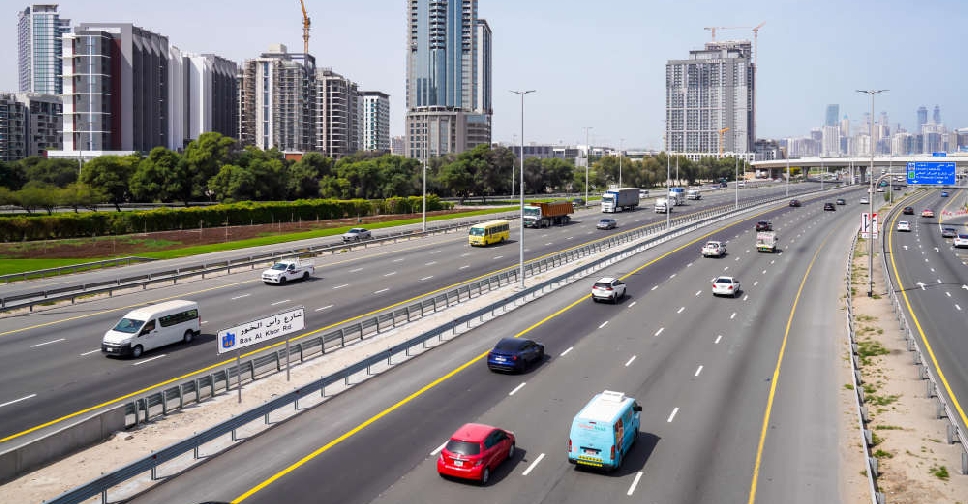
Traffic Improvement Initiative in Dubai: A Strategic Move to Alleviate Congestion
Published on Thursday, 31 July 2025
By ARN News Staff
In a decisive step toward enhancing urban mobility, the Roads and Transport Authority (RTA) of Dubai has announced the upcoming opening of a new exit designed to alleviate traffic congestion on Financial Centre Street, facilitating smoother access to Ras Al Khor Road near the Bu Kadra Interchange. This initiative, scheduled to go live in early August, is part of the RTA’s broader Rapid Traffic Solutions Plan, which aims to bolster the efficiency of the city’s road networks amidst the increasing demands of urbanization.
Contextualizing Traffic Congestion in Dubai
As one of the fastest-growing metropolitan areas in the world, Dubai has been experiencing significant pressure on its transportation infrastructure. The city, renowned for its vibrant economic zones and bustling commercial districts, often faces considerable vehicular congestion, especially during peak travel times. The RTA’s recent traffic study highlighted specific bottlenecks in the Ras Al Khor area — a crucial link between key industrial and commercial sectors.
The new exit is expected to dramatically reduce travel times during peak hours. Current estimates suggest that vehicles navigating this route can expect their journey duration to be halved from 13 minutes to just 6 minutes, a substantial improvement that can significantly contribute to increased productivity for commuters and businesses alike. By streamlining access to Dubai-Al Ain Road, the RTA hopes to further ease the flow of traffic, substantially benefiting both local residents and transiting visitors.
Complementary Infrastructure Enhancements
The new exit is not operating in isolation; it is part of a larger framework of infrastructure improvements that the RTA has been implementing throughout the region. Recently, enhancements to Exit 25 from Ras Al Khor Road to Al Khail Road have been realized, effectively doubling its capacity and reducing wait times during busy hours. These incremental changes reflect a concerted effort to anticipate future traffic patterns and adapt infrastructure accordingly.
Moreover, as Dubai continues to expand, strategic foresight becomes essential. The integration of these upgrades into a plan that responds to the city’s long-term mobility goals indicates a commitment to sustainable development. The improvements are expected not only to address immediate concerns of congestion but also to align with the city’s broader vision of creating a smart and interconnected urban environment.
Supporting Economic Growth
The economic implications of improved traffic infrastructure cannot be overstated. As Dubai positions itself as a leading global business hub, the ease of transportation becomes a critical factor that influences investment decisions and the overall economic climate. Enhanced road efficiency positions the city as an even more attractive venue for international business operations, contributing to an environment that fosters innovation and growth.
Furthermore, the RTA’s initiatives serve to align transportation capacity with Dubai’s anticipated economic expansions, particularly as various sectors, including tourism, retail, and manufacturing, continue to flourish. The improvements in access routes not only enhance the daily commute for residents but also facilitate a seamless transit experience for visitors, which is essential for maintaining the city’s robust tourism sector.
Outlook and Future Development
While immediate traffic relief is anticipated from the newly opened exit, this development serves as a stepping stone towards a more comprehensive approach to urban mobility. The RTA has made it clear that it recognizes the importance of ongoing adjustments to infrastructure in response to both current and future mobility needs.
As Dubai continues to evolve, with large-scale developments already underway and more projected, ongoing investment in transportation infrastructure will be paramount. The RTA’s initiatives represent a pivotal step in creating a more cohesive urban landscape that accommodates growth while prioritizing resident and commuter welfare.
In conclusion, the opening of the new exit from Financial Centre Street provides an encouraging outlook for Dubai’s commitment to addressing urban traffic challenges. By facilitating smoother travel and integrating these changes into a larger framework of growth, Dubai positions itself not just as a city of the future but as a leader in innovative urban planning.
Tags: #UAE #BusinessNews #EconomyNews