
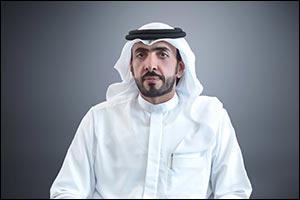
Celebrating International Mother Language Day: A Call to Preserve Linguistic Heritage
February 20, 2026 – On this significant occasion of International Mother Language Day, we are compelled to reflect upon the deep connection that individuals share with their native languages. These languages serve not only as tools of communication but also as fundamental vessels that shape our understanding of the world and facilitate the expansion of our intellectual horizons. This day serves as a poignant reminder of the collective duty we hold to safeguard our mother tongues from the inexorable threat of extinction, to cultivate their usage, and to enhance the methodologies by which they are taught and preserved.
The Arabic language, in particular, embodies the rich tapestry of our civilization. As an eloquent vehicle of expression, Arabic is far more than a mere mode of communication; it is a comprehensive system of aesthetics, thought, and cultural identity. It encapsulates the legacy of our forebears and bears witness to our historical and contemporary contributions to the advancement of human civilization. In safeguarding the Arabic language, we are not merely protecting a means of conversation; we are preserving a foundation upon which our cultural heritage stands.
The Imperative of Protection and Education
With the increasing globalization and the homogenization of cultures, the preservation of linguistic diversity has become more imperative than ever. According to UNESCO, approximately 40% of people globally do not have access to an education in their mother language. This lack of resources places many languages, especially those spoken by minority communities, at risk of disappearing. It is incumbent upon families, educational institutions, media outlets, civil organizations, and policymakers to recognize their roles in this grand endeavor of linguistic preservation.
In this respect, the Supreme Legislation Committee in the Emirate of Dubai (SLC) has reaffirmed its commitment to protecting the Arabic language; recognizing it as a shared responsibility that must be championed by all sectors of society. The SLC emphasizes the necessity of continuing to bolster the legislative framework that upholds the Arabic language as the mother tongue of the Emirate, thereby fostering an environment conducive to its growth and empowerment across various spheres of life.
A Collective Cultural Effort
The commitment to preserve any language extends beyond mere academic interest; it is deeply entwined with the notions of national identity and cultural pride. For the Arabic language, this mission entails revitalizing its presence in everyday life, thus promoting its usage in various domains including education, literature, digital communication, and the arts. It is instrumental for institutions to provide opportunities for individuals to engage with their linguistic heritage, enabling the youth to embrace their native tongue and instilling in them a sense of pride in their cultural roots.
The role of modern technology in this preservation effort cannot be overlooked. The digitalization of literary and educational resources in Arabic is paving the way for broader accessibility and engagement among younger generations. Initiatives that integrate technology and social media can revitalize the interest in Arabic, allowing it to thrive not only in traditional domains but within contemporary contexts as well.
Looking Forward
In conclusion, International Mother Language Day stands as a clarion call reminding us all of the necessity to act decisively in protecting our linguistic identities. The preservation of our mother tongues, particularly Arabic, is essential not only for cultural continuation but also for the enrichment of human civilization. The SLC pledges to continue fostering initiatives that uplift the Arabic language, thereby strengthening our cultural identity and civilizational heritage.
As we celebrate our languages today, let us strive collectively towards a future where linguistic diversity is cherished, linguistic heritage is respected, and every individual has the opportunity to connect deeply with their mother tongue.