
The Imperative of a Human-Centered Strategy in the Age of Agentic AI
As businesses embark on the critical path of integrating agentic artificial intelligence (AI) into their operational frameworks, industry leaders are emphasizing the need for a paradigm shift—one that prioritizes human-centric approaches over mere productivity metrics. Workforce and transformation experts advocate for holistic strategies that recognize the profound implications of AI deployment, not only on efficiency but also on workforce dynamics, leadership paradigms, and organizational structures.
Recently, on the occasion of International HR Day, Salesforce—a noteworthy player in the technology landscape—articulated the pressing necessity of adopting human-centered AI strategies. This call to action arises from a growing recognition that the success of AI integration hinges on organizations’ abilities to reconstruct work processes and provide substantial support to their teams throughout transitions.
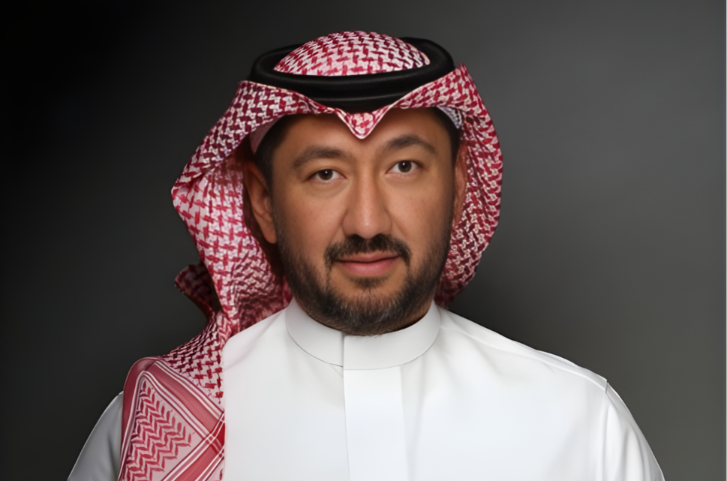
Mohammed Alkhotani, a prominent thought leader in this domain, advocates for a discourse shift regarding AI. He posits that discussions should no longer be confined to efficiency gains but rather should explore how AI—by automating routine tasks—can free human workers to engage in higher-value activities that require distinctly human attributes such as creativity, judgment, and relational acumen. This perspective illuminates an essential aspect of AI: that its integration should complement, rather than replace, human capabilities.
Alkhotani emphasizes that while AI systems are becoming increasingly adept at managing large volumes of data and tasks independently, organizations that achieve the most favorable outcomes are those that proactively invest in workforce redesign, reskilling initiatives, and talent development from the outset of their AI transformation journey. This proactive investment is not merely a defensive strategy in the face of technological advancements; it is a forward-thinking initiative that positions employees to harness AI as a tool for enhanced creativity and innovation.
The context of Alkhotani’s insights unfolds against the backdrop of an escalating global trend, wherein businesses are weaving AI technologies into various aspects of their operations, from customer service enhancements to empowered decision-making processes. As this trend burgeons, vital conversations surrounding workforce readiness and evolving skill requirements are gaining momentum. The integration of AI into the workplace often instigates uncertainty and apprehension among employees. Historically, digital transformations have elicited fears regarding job security and the role technology might play in diminishing traditional job functions.
However, Alkhotani poses an optimistic view of the contemporary wave of AI transformation, characterizing it as an unparalleled opportunity to reimagine work dynamics. The potential exists to create roles that are not just viable but also infused with greater meaning and purpose. By doing so, organizations can foster an environment conducive to growth and adaptation.
Significantly, Alkhotani references insights from the World Economic Forum, which forecasts that by the year 2030, an astonishing 39 percent of existing skill sets may undergo transformation or face obsolescence. This statistic underscores a compelling argument for the necessity of developing AI fluency, data literacy, and systems thinking among the workforce. Continuous learning and adaptive reskilling are not just advantageous but essential for survival in this emerging landscape.
Within the context of the Gulf region, countries such as the United Arab Emirates and Saudi Arabia are increasingly prioritizing workforce readiness, digital capabilities, and overarching human capital development as integral components of their national economic transformation strategies. These initiatives reflect a broader acknowledgment that economic vitality in an AI-driven world will depend fundamentally on human capability and innovation.
Salesforce’s position is clear: organizations that will thrive in the AI era will be those that devise strategies to harmonize technological deployment with robust workforce support. This equilibrium will enable employees to navigate evolving roles successfully while cultivating more agile teams prepared to face future challenges.
In conclusion, Alkhotani encapsulates the core of future work dynamics, asserting that while AI will undoubtedly play a pivotal role, the true architects of success will be the leaders who leverage technology to unlock human potential. The journey toward a future defined by AI will not be solely about the capabilities of machines; it will be about the profound human capacity for resilience, creativity, and collaboration that ultimately shapes our organizations and societies.
—
Tags: #BusinessNews, #EconomyNews, #UAE