
Dubai's Groundbreaking Artificial Reef Initiative: A Step Towards Marine Restoration and Conservation
In recent years, the urgency of environmental conservation has surged, compelling cities worldwide to adopt innovative strategies for protecting their natural habitats. One notable initiative in this realm is Dubai’s ambitious artificial reef project, an endeavor aimed at enhancing maritime ecosystems within the Persian Gulf. Recent underwater footage from the DUBAI REEF initiative unveils a burgeoning marine environment at its test site, indicating a promising success in the project’s implementation.
The DUBAI REEF initiative is not merely an ecological project; it represents a significant step towards restoration and rehabilitation of marine life. Reports indicate an impressive growth in the local marine biodiversity, with a notable increase of 15 native fish species, including popular varieties such as snappers, groupers, and barracuda. Remarkably, these surveys indicate an eightfold increase in total fish biomass, projecting a potential 10 percent enhancement in marine biodiversity within the vicinity of the reef structures. Such developments underscore the project’s significance in revitalizing marine ecosystems, making it one of the world’s largest purpose-built reef developments to date.
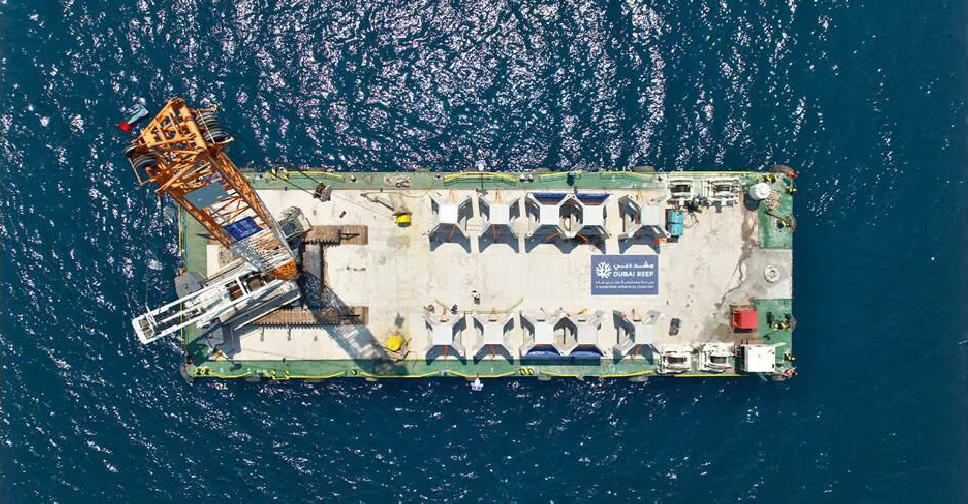
Set against the backdrop of Dubai’s expansive coastline, the project aims to deploy approximately 20,000 structured reef modules across an area spanning 600 square kilometers by the year 2027. As of now, nearly 40 percent of these modules have been fabricated, with more than 3,600 already installed in various strategic locations throughout the emirate’s waters. Each reef module is engineered to not only provide a physical structure that can support marine life but also to foster conditions conducive to habitat formation and growth.
The DUBAI REEF initiative is built upon three fundamental pillars: habitat restoration, marine life rehabilitation, and comprehensive marine conservation research. This multifaceted approach reflects a long-term strategic vision aimed at safeguarding Dubai’s marine environment amid the rising pressures of urbanization and climate change. By focusing on these key areas, the initiative seeks to create a sustainable marine ecosystem that can withstand environmental challenges and thrive in the face of rapid development.
Launched in early 2024, the DUBAI REEF initiative is the product of a collaborative effort among various stakeholders across the public and private sectors. Strategic partnerships involve entities such as the Dubai Department of Economy and Tourism (DET), the Dubai Environment and Climate Change Authority (DECCA), local logistics giant DP World, as well as numerous Real Estate and environmental organizations, including Nakheel, a member of Dubai Holding, and the Ports, Customs, and Free Zone Corporation (PCFC), along with Emirates. This coalition epitomizes a forward-thinking approach to sustainability, aligning with Dubai’s broader objectives of economic growth and environmental stewardship.
Aligning with global initiatives, the DUBAI REEF supports several United Nations Sustainable Development Goals (SDGs). Specifically, it contributes to SDG 13 (Climate Action) by tackling the effects of climate change on marine habitats, SDG 14 (Life Below Water) which focuses on the conservation and sustainable use of oceanic resources, and SDG 17 (Partnerships) by fostering collaboration among diverse stakeholders. This alignment with international sustainability objectives emphasizes the initiative’s commitment to creating a lasting, positive impact on marine ecosystems and global environmental health.
The implications of the DUBAI REEF initiative extend beyond local waters. As cities across the globe grapple with balancing urban development and ecological preservation, Dubai’s project offers a replicable model for other regions struggling to navigate similar challenges. The implications of restored marine habitats are profound, ranging from increased fish populations that bolster local fishing economies to enhanced tourism opportunities that capitalize on vibrant and diverse marine life.
In conclusion, Dubai’s artificial reef initiative is an exemplary case of how innovative approaches to environmental conservation can yield tangible results. By investing in both the restoration and enhancement of its marine ecosystem, Dubai not only safeguards its natural resources for future generations but also sets a benchmark for other regions aiming to harmonize development with ecological integrity. As the project continues to unfold, its progress will be closely monitored, serving as a beacon of hope for marine conservation efforts across the globe.
Tags: #UAE, #EnvironmentNews, #EconomyNews