
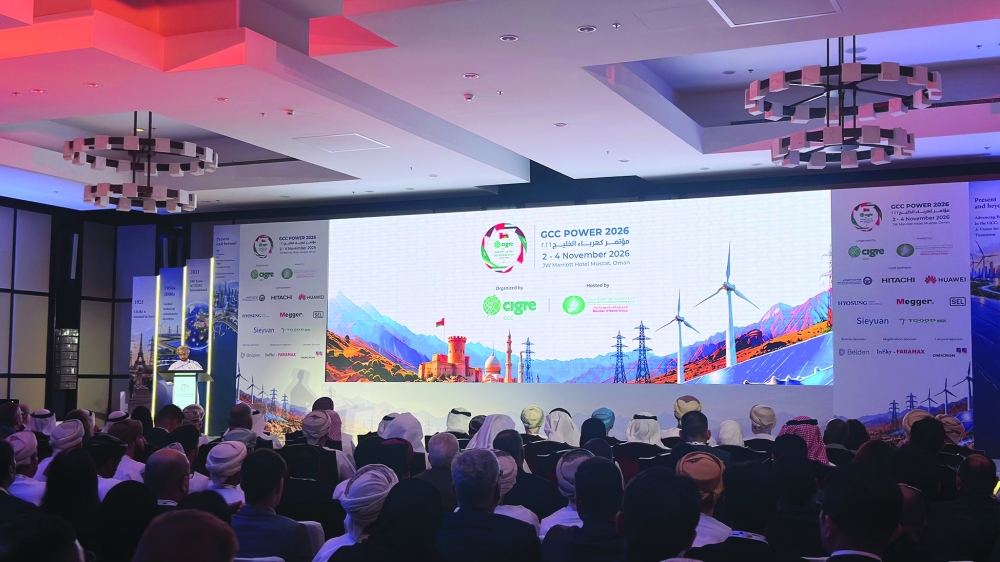
Oman’s direct electricity interconnection with the Gulf Cooperation Council (GCC) grid has reached a significant milestone, with approximately 35% of the project now complete. This initiative, which involves an investment exceeding RO 268.9 million, is expected to enhance electricity supply reliability and operational flexibility across the region by the end of 2027.
Progress on GCC Electricity Interconnection
The GCC Interconnection Authority (GCCIA) announced the progress during the opening of the GCC POWER 2026 conference in Muscat. The project consists of a 530-kilometre, 400-kilovolt transmission line connecting Ibri in Oman to Al Sila in the UAE, complemented by new substations in Ibri and Baynunah. This interconnection aims to facilitate cross-border electricity trading and optimize the use of electricity generation capacity among member countries.
Key facts
- Project completion is currently at approximately 35%.
- Investment in the project exceeds RO 268.9 million.
- The transmission line spans 530 kilometres at a voltage of 400 kilovolts.
- New substations will be established in Ibri and Baynunah.
- The project is expected to be operational by the end of 2027.
Implications for the UAE and Gulf Region
This interconnection is crucial for UAE residents and businesses as it promises to bolster the reliability of electricity supply in the region. Enhanced operational flexibility will allow for more efficient energy use, potentially leading to lower energy costs for consumers and businesses alike. Furthermore, the ability to trade electricity across borders opens up new opportunities for energy management and sustainability, aligning with the UAE’s goals for renewable energy integration.
Oman’s Minister of Energy and Minerals emphasized the importance of expanding electricity infrastructure, suggesting that it could lead to the establishment of regional manufacturing industries. This shift could reduce reliance on imported electrical equipment, fostering local economic growth and job creation in the manufacturing sector. The minister also highlighted the potential for over 200 gigawatts of renewable energy development in the region, which will drive demand for various electrical components and services.
As the conference progresses, discussions are expected to focus on the integration of advanced technologies and the role of artificial intelligence in enhancing electricity network management. This reflects a broader trend in the Gulf region towards modernization and adaptation in response to climate challenges and technological advancements.
What happens next
- The project is scheduled to enter service by the end of 2027.
- Ongoing discussions at the GCC POWER 2026 conference will address future challenges and opportunities in the electricity sector.
The advancement of Oman’s electricity interconnection with the GCC grid marks a significant step towards a more integrated and efficient energy landscape in the Gulf region.