
Iraq to Develop 0 Million Hotel Complex with Kempinski: A Strategic Move for Boosting Tourism and Investment
In a significant stride towards uplifting Iraq’s burgeoning hospitality sector, the National Investment Commission (NIC) has entered discussions regarding a proposed 0 million hotel complex to be managed by the esteemed Kempinski hotel chain. This development underscores Iraq’s strategic efforts to attract foreign investment and enhance its tourism infrastructure, which has been historically overlooked in the region’s tumultuous context.
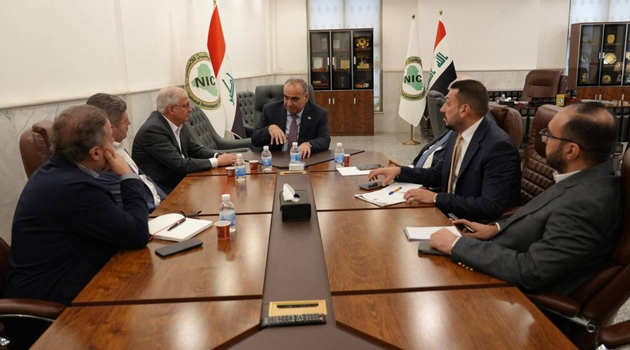
The dialogue unfolded during a meeting between NIC Chairman Adel Dakhil Muhammad al-Yasiri and an investment delegation led by the prominent businessman Jawad al-Qassab. The ambitious project is poised to occupy a land area of 20 to 30 dunams, featuring a comprehensive array of accommodations, including luxury rooms, private villas, and residential apartments, all complemented by state-of-the-art conference and event facilities. Such features aim to diversify the offerings for both leisure and business travelers, positioning Iraq as a competitive player in the hospitality sector.
Al-Qassab brings a wealth of experience to this venture, underpinned by his existing hospitality investments, notably the prestigious Kempinski Hotel Dead Sea and the glamorous Kempinski Hotel Aqaba in Jordan. His portfolio extends beyond the borders of Iraq into various international markets, including Saudi Arabia, Switzerland, Canada, and the United Arab Emirates. Within Iraq, he has already made his mark through the Al-Kawthar Residential Complex located in the Babil governorate.
The NIC has expressed its firm commitment to facilitating this grand project by ensuring that the requisite infrastructure and operational support are in place. This cooperation between public and private sectors reflects a deep-seated ambition to revive Iraq’s hospitality and tourism landscape, which suffered significant setbacks due to decades of conflict and instability.
Tourism plays a crucial role in driving economic growth, creating jobs, and fostering cultural exchange. Although Iraq boasts a rich history, vibrant culture, and breathtaking landscapes, it has struggled to tap into the potential of its tourism sector. Recent efforts by the Iraqi government to enhance security and improve infrastructure have paved the way for foreign investors to consider Iraq as a viable destination for business and leisure. The introduction of a Kempinski-managed hotel could serve as a catalyst for attracting further investments and reviving Iraq’s tourism appeal.
Moreover, the burgeoning hospitality sector in Iraq could enhance the nation’s standing in the broader Middle Eastern tourism market. Countries like Saudi Arabia and the UAE have successfully leveraged hospitality investments to boost their economies, and Iraq seems poised to follow suit. The potential establishment of high-end hotels and resorts could not only cater to international tourists but also appeal to the increasing domestic tourism demand.
The investment in the proposed Kempinski hotel complex aligns with the Iraqi government’s broader economic strategy, which seeks to diversify the economy away from its historical reliance on oil revenues. Particularly in the context of global shifts towards sustainable and inclusive economic practices, such developments signify a progressive vision for Iraq’s economic landscape.
It is essential to consider the socio-economic implications of such an investment on both local communities and the national economy. A robust hospitality sector will generate direct employment opportunities and stimulate ancillary industries such as agriculture, handicrafts, and local services. Meanwhile, the emphasis on high standards in hotel management, as indicated by the involvement of the Kempinski chain, signals a commitment to quality that could elevate Iraq’s overall service sector.
In conclusion, the proposed development of the 0 million Kempinski hotel complex not only underscores a pivotal moment in Iraq’s investment history but also represents a beacon of hope for the country’s economic future. As Iraq continues to build on its foundational strengths, the hospitality industry’s growth could offer validation of its efforts to establish a stable, open, and inviting environment for both tourists and investors.
Tags: #BusinessNews, #EconomyNews, #Tourism, #Kuwait, #Iraq